Anxiety Therapy
Steady Your Mind. Reclaim Your Days.
Anxiety can feel like a racing heart at work, worry that won't quiet down, or sudden panic on the Deerfoot. You don't have to face it alone.
At CPC clinics, our Calgary anxiety therapists use proven methods, from CBT to exposure therapy, built around you.
Book a Free ConsultationYour care is personalized, collaborative, and paced to your needs.
Here's what our anxiety treatment in Calgary typically includes:
We start by understanding your anxiety story, including your triggers and history. We also assess physical symptoms of anxiety, like a tight chest or racing pulse. This shapes a plan built around your specific anxiety, from generalized worry to panic or phobia.
You'll learn to spot the anxious thoughts that spiral, like "what if I embarrass myself?" Using CBT for anxiety, we help you challenge these thoughts and replace them with balanced ones. This cuts the fear off at its source instead of managing symptoms alone.
Exposure therapy helps you face specific fears in small, controlled steps. You set the pace, and every step happens with your consent. Each step proves to your brain that you can handle what once felt impossible. This approach works well for phobias and social anxiety.
You'll practice real tools for the moments anxiety hits hardest. Deep breathing, grounding techniques, and muscle relaxation give you fast ways to calm a racing heart. You'll rehearse these skills in session until they become automatic.
Therapy extends beyond the session. We build mindfulness meditation, movement, and better sleep habits into your routine. Some clients ask about supplements like magnesium for anxiety-related sleep trouble. That's a conversation for your doctor or pharmacist, and we support the plan alongside it.
How Anxiety Therapy Helps You Find Peace
We draw from five evidence-based approaches, matched to your specific anxiety. Your assessment identifies your triggers and patterns first. From there, we build a plan around the methods below.
What It Is: Cognitive behavioral therapy for generalized anxiety disorder targets the same core link: thoughts, feelings, and actions. We start by naming automatic thoughts, like "something bad is about to happen." We test those thoughts against real evidence. Then we build small experiments, like starting a conversation you'd normally avoid. Each experiment proves a new outcome is possible.
Key Benefits:
Breaks the anxiety cycle. Proof against a fearful prediction turns a racing heart into a cue to breathe.
Builds real confidence. Every small win, like speaking up in a meeting, proves you can face what scares you.
What It Is: Exposure therapy is a specialized form of CBT. The goal is simple: face a feared situation until your brain learns it's safe. We build a fear hierarchy together, ranking situations from mild to severe. You face the easiest one first, always at your pace. You move up only when you're ready.
Key Benefits:
Breaks the avoidance loop. Avoiding a fear feels safer, but it teaches your brain the fear was justified. Facing it, even briefly, teaches the opposite.
Works especially well for phobias and social anxiety. Clients who once avoided flying or crowded rooms often see the fear shrink over repeated exposure.
What It Is: Mindfulness-based therapy trains your attention to stay in the present moment. We use guided breathing, body scans, and simple stretches instead of forceful relaxation. You learn to notice anxious thoughts without reacting to them right away. This distance is often the first real relief clients feel.
Key Benefits:
Lowers your baseline stress. Regular practice trains your nervous system to settle faster after a stressful moment. You spend less time on high alert.
Builds a pause between trigger and reaction. Noticing a racing thought, without acting on it, gives you room to choose your next move. Anxiety no longer makes that choice for you.
What It Is: Acceptance and commitment therapy shifts the goal from eliminating anxiety to living fully alongside it. You practice defusion, a skill for creating distance from anxious thoughts instead of fighting them. From there, we focus on your values, like connection or growth. We build actions that move you toward them, even when anxiety shows up.
Key Benefits:
Reduces the fight with your own mind. Trying to force anxious thoughts away often makes them louder. Defusion teaches you to notice a thought and let it pass, without a struggle.
Reconnects you with what matters. Anxiety often shrinks your world through avoidance. Naming your real values, like family or career growth, gives you a reason to act. You move forward despite the fear, not after it disappears.
What It Is: Dialectical behavior therapy was built for intense emotional swings, and its skills adapt well to anxiety. We draw from four skill sets: mindfulness, distress tolerance, emotion regulation, and interpersonal effectiveness. Together, they give you a toolkit for the moments anxiety spikes fast and hard.
Key Benefits:
Gives you a plan for crisis moments. Distress tolerance skills help you ride out a panic attack without making it worse. They work when the situation itself can't change right away.
Steadies your emotional swings. Emotion regulation skills help you name what you're feeling and understand why. You catch anxiety early, before it spirals.
Online Anxiety Therapy, Anywhere You Are in Alberta
We Know Getting Here Is Hard
Getting to an appointment can be its own source of anxiety. A waiting room, a drive across town, or working up the nerve to go, all count. That's exactly why we brought therapy to you.
Matched With the Right Therapist
We match you with an anxiety therapist who is registered to provide virtual care in Alberta and whose approach fits your needs.
Therapy That Comes to You
We built our virtual therapy option so getting help doesn't add to what you're already carrying. Through secure online therapy, we now support clients across Alberta.
The Same Care, Anywhere
You get the same evidence-based care, CBT, exposure therapy, and the rest, from anywhere that feels safest. Some clients start with online anxiety counselling before trying an in-person session.
Meet Your Calgary Anxiety Therapists
Every therapist on our team is a registered or provisional psychologist, trained specifically to treat anxiety. That's the training it takes to help you feel steady again in daily life. You might be looking for a psychologist for anxiety disorder. Or you're trying to find an anxiety therapist in Calgary. This is our team of anxiety therapists in Calgary.
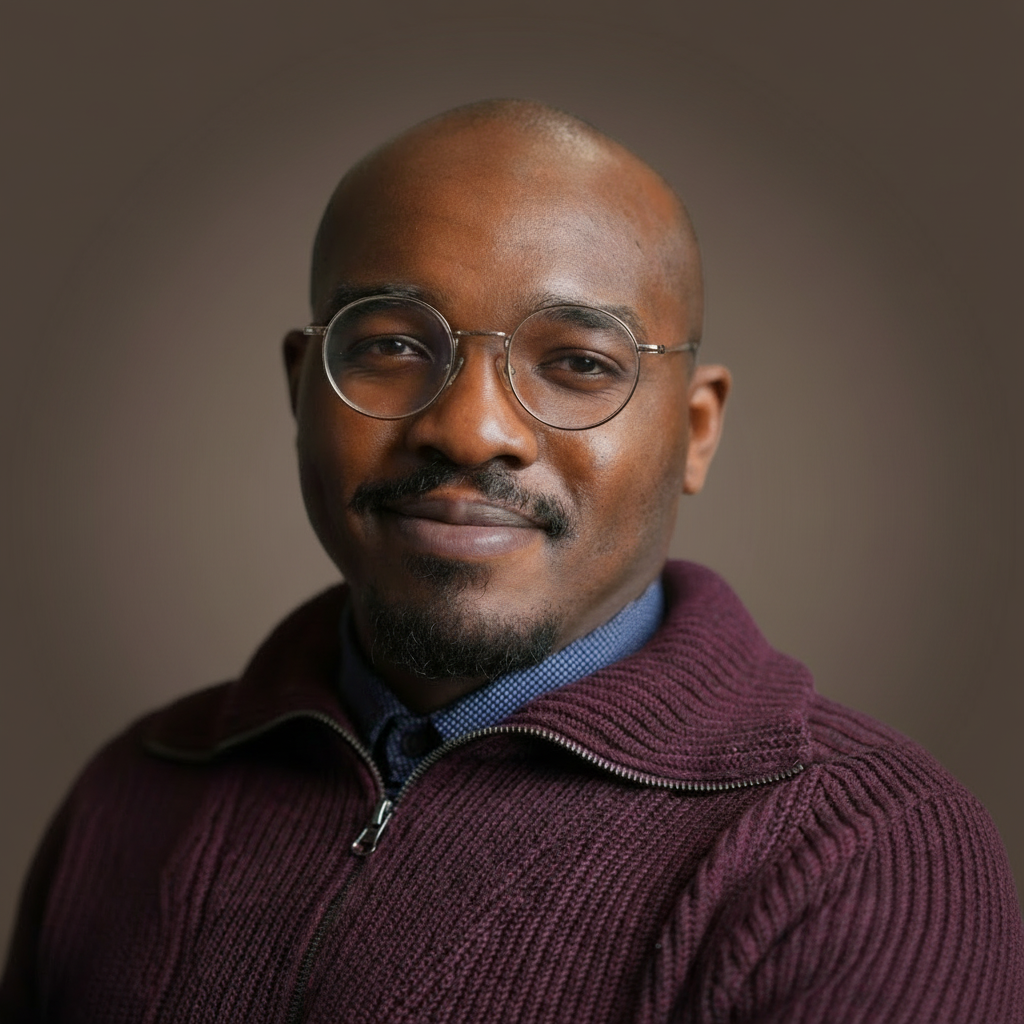
Baldwin Asala Jr.
Registered Provisional Psychologist
Learn More
Stephen Sills
Registered Psychologist
Learn More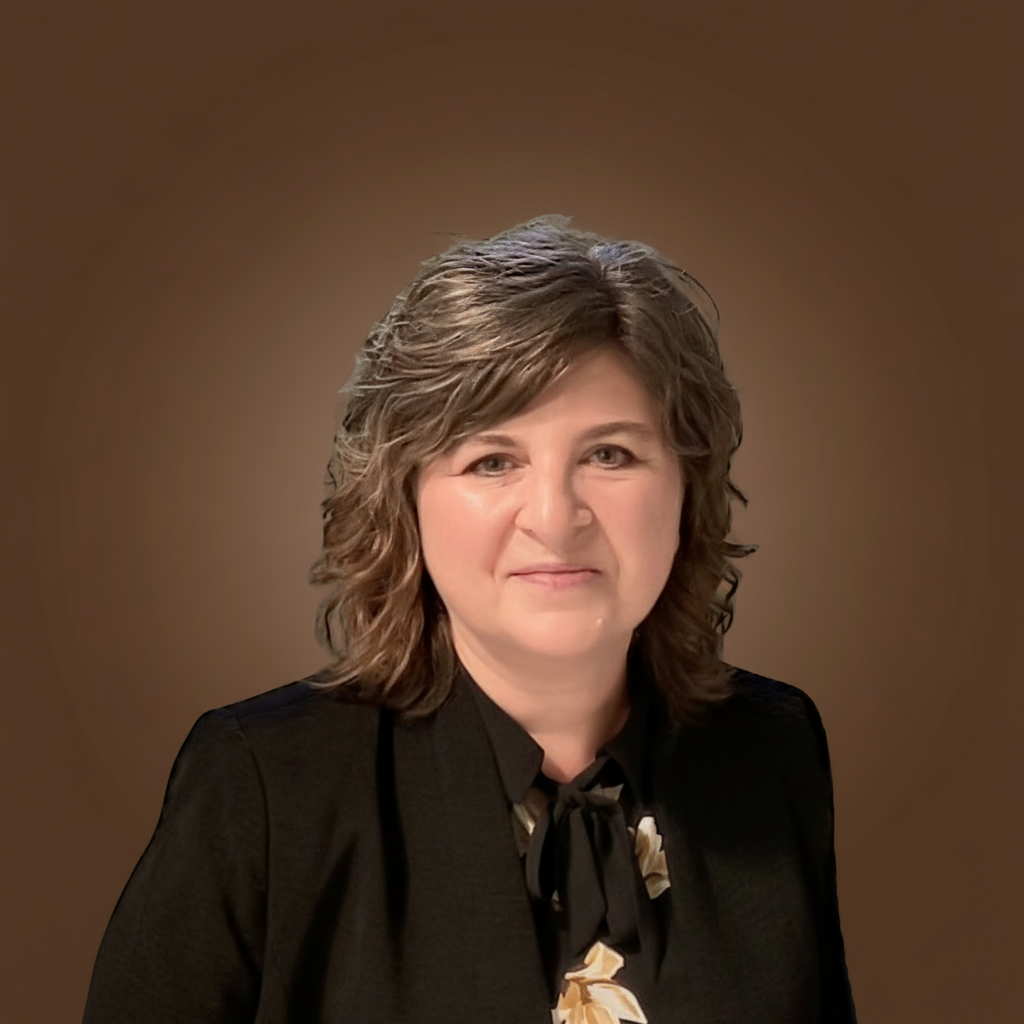
Lara Palset
MA, Registered Provisional Psychologist, Canadian Certified Counsellor
Learn More
Zarrin Tasneem
Clinical Director, Registered Provisional Psychologist
Learn More
Ashley Sabados
Registered Psychologist
Learn MoreFlexible, Accessible
Anxiety Counselling Options
Our anxiety counselling in Calgary fits around your life, in person or online.
Sessions start at $240 CAD
Insurance billing available under specific conditions
In-person sessions available in Calgary
Virtual sessions available across Alberta
Counselling for anxiety works best when
it fits your actual schedule.
Let's find a time
and format that works best
for you.
FAQ
We treat every anxiety disorder, including generalized anxiety, social anxiety, panic disorder, phobias, and health anxiety. PTSD-related anxiety is also part of our practice. Our Calgary therapists match their approach to your specific type. A panic attack and social anxiety in a crowd call for different techniques.
Yes. Long-standing anxiety responds well to consistent therapy, even after ten or more years. Clients learn new coping skills and often notice small changes first, like better sleep. These early shifts usually show up within the first few sessions. Bigger shifts build from there as therapy continues.
No, medication isn't required. Many clients see strong results from therapy alone, especially with CBT and mindfulness. Therapy works alongside your medication by building coping skills, if you're already taking it. We build your plan around therapy and lifestyle changes instead, if you'd rather avoid medication entirely. Any medication decision stays between you and your physician.
This varies by person. A specific anxiety issue often takes 8 to 12 weekly sessions to see real change. Longer-standing or complex anxiety may need several months of work. Sessions typically start weekly, then taper to biweekly as you improve. You and your therapist review progress together throughout.
We tailor exposure therapy to your exact fear. For a fear of flying, we might start with airplane photos. Next, you'd visit the Calgary airport, then eventually board a short flight. For public speaking, we simulate speeches in session and teach performance anxiety skills. Targeted therapy like this systematically desensitizes the trigger, so it stops controlling you.
Yes. We treat anxiety in teens and children, covering school stress, social pressure, and test anxiety. Our team includes clinicians experienced in youth mental health. Sessions for younger clients often use games, art, or role-play alongside family involvement. This helps anxiety get addressed early, in a space that feels safe.
Feeling nervous is normal. Your first session is mostly listening. Your therapist asks about your experience, your triggers, and how anxiety affects your day. Nothing scary happens in session one. By the end, you'll understand your anxiety better and leave with a tentative plan. That plan might include CBT for social anxiety or gentle exposure exercises. You stay in control of the pace throughout.
Genetics do play a role in anxiety. You're more likely to experience anxiety yourself, if it runs in your family. Your environment, habits, and life experiences matter just as much as your genes. Anxiety is rarely caused by one single factor alone.
Yes, anxiety is a common cause of insomnia. A racing mind at bedtime, or waking up with worry, are both typical anxiety symptoms. Addressing the anxiety itself often improves sleep. Ongoing insomnia is still worth mentioning to your doctor, in case another cause is involved.
Social anxiety disorder is a recognized mental health condition. It can significantly affect daily functioning for some people. Whether it legally qualifies as a disability is an administrative question, not a clinical one. Your psychologist can document how anxiety affects your life, for a claim or accommodation request. For eligibility itself, a lawyer or benefits administrator is the right resource.
Yes, there's a well-documented link between anxiety and gut health, often called the gut-brain connection. Anxiety can trigger real digestive symptoms, like an upset stomach or nausea. Gut discomfort can also feed back into anxious feelings, and the cycle continues both ways. Addressing anxiety through therapy is one piece of managing this cycle. Your doctor can guide you on the physical symptoms themselves.
Yes, it's common for anxiety to rise in the days before your period. Hormonal shifts across the menstrual cycle are linked to mood changes for many people. Increased anxiety is one of the most common shifts. That pattern is worth discussing with your doctor, if it disrupts your daily life. It may point to something like PMDD.
The 5 Ways Anxiety Shows Up
What is anxiety? It's your body's alarm system activating even when there's no real danger. Anxiety and fear aren't quite the same thing. Fear responds to a real, immediate threat. Anxiety is worry about something that hasn't happened yet, or might never happen. Genetics play a role too. You're more likely to experience anxiety yourself, if it runs in your family. Your environment and habits matter just as much. Understanding your specific type of anxiety is often the first step toward treating it well.
Generalized Anxiety Disorder
Persistent worry about everyday things, like work, health, or finances, most days for months.
Social Anxiety Disorder
Intense fear of judgment in social settings, like eating in public or speaking in a meeting. The fear is strong enough that people often avoid these situations entirely. Social anxiety treatment at CPC Clinics combines CBT with gradual exposure to these exact situations.
Panic Disorder
Sudden, intense episodes of fear, often with a racing heart or shortness of breath. Panic disorder also includes ongoing worry about when the next episode will hit.
Health Anxiety
Persistent worry about having a serious illness, even after a doctor rules it out. Health anxiety often shows up as checking symptoms or seeking constant reassurance.
Separation Anxiety in Adults
Intense distress when apart from a specific person, like a partner or child. Separation anxiety in adults goes well beyond what's typical for the relationship.
Benefits of Anxiety Counselling
Calmer Day-to-Day Life
Worry stops running the show. You learn to catch anxious spirals early and settle your mind before they take over.
Fewer Physical Symptoms
Anxiety lives in your body as much as your mind. Physical symptoms of anxiety include a racing heart, shortness of breath, nausea, or stomach issues. Therapy addresses the anxiety driving these symptoms, though a doctor should rule out other causes first.
Stronger Relationships
Anxiety can make you snap at the people you love, or pull away entirely. As you build coping skills, you show up with more patience for the people around you.
Better Focus at Work or School
Racing thoughts make it hard to concentrate on anything else. Grounding techniques and cognitive restructuring free up that mental space. You get that focus back for work, school, or the rest of your day.
Skills That Outlast Therapy
The coping strategies you build here don't expire when sessions end. CBT, exposure practice, and mindfulness become tools you carry into every future stressful moment.
A Plan That's Actually Yours
No two people experience anxiety the same way, so your plan shouldn't look like anyone else's. Your therapist builds treatment around your specific triggers, fears, and goals, not a one-size-fits-all script.
What Sets Our Anxiety Therapists Apart?
Every mental health professional for anxiety on our team trains in more than one method. That means your therapist can pull from CBT, exposure therapy, ACT, DBT, or mindfulness. The method fits your specific anxiety, instead of the same technique applied to every client. We also offer rTMS, a brain-based neurostimulation option, alongside talk therapy for clients who want it. Every anxiety therapist here starts you with a free 20-minute consultation. You know your fit before committing to a full plan.
Ready to Feel
Like Yourself Again
A free consultation is a conversation, not a commitment. We'll talk through what's going on, answer your questionshonestly, and help you understand your options before you decide anything. You'll leave knowing what treatment could look like for you, and whether we're the right fit.
Contact
Get In Touch With Us
Send us a note and our intake coordinator will get back to you within one business day. If you are in crisis, please call 811 or go to your nearest emergency department.
Message sentThanks for reaching out. Our intake coordinator will reply within one business day.
Visit us
1817 Centre Street NW, Suite 210Calgary, AB T2E 2S9