
Men's Mental Health Therapy Calgary
Evidence-based counselling for anxiety, depression, anger, stress, trauma and relationships
Men’s mental health challenges can affect sleep, work performance, relationships, parenting, physical health, motivation, emotional control, and the daily routines that keep life steady. CPC Clinics provides men’s mental health therapy in Calgary for men who need practical, respectful, and evidence-based mental health support.
CPC Clinics offers compassionate, evidence-based men's mental health therapy in Calgary for men navigating anxiety, depression, stress, burnout, anger, trauma, grief, relationship conflict, identity concerns, and major life transitions.

Comprehensive Men’s Mental Health Assessment
Comprehensive Men’s Mental Health Assessment
Your care begins with a structured clinical assessment of 8 core areas: mood, anxiety…
Comprehensive Men’s Mental Health Assessment
Your care begins with a structured clinical assessment of 8 core areas: mood, anxiety, sleep, anger, trauma history, relationship stress, work pressure, and current coping strategies. This is more clinically useful than a quick online mental health test because your therapist reviews how stress shows up in your body, behaviour, thoughts, and relationships, including patterns such as withdrawal, irritability, overworking, substance use, emotional shutdown, avoidance, and conflict escalation. This assessment produces a personalized men’s mental health treatment plan focused on your 3 to 5 most pressing functional and emotional challenges.

Anxiety, Stress, and Burnout Support
Anxiety, Stress, and Burnout Support: Men often carry stress through tension, overthinking, irritability, reduced…
Anxiety, Stress, and Burnout Support:
Men often carry stress through tension, overthinking, irritability, reduced patience, sleep disruption, and difficulty switching off after work or family demands. Men’s mental health counselling at CPC Clinics helps clients identify the triggers, beliefs, and routines that maintain anxiety, chronic stress, and burnout. Sessions build practical tools such as grounding, paced breathing, cognitive restructuring, problem solving, boundary setting, and workload recovery planning. This form of men’s mental health counselling Calgary clients can access is built around clarity, privacy, and real-life functioning.

Depression and Motivation Counselling
Depression and Motivation Counselling
Depression in men can appear as low mood, numbness, anger, exhaustion, isolation, loss of interest…
Depression and Motivation Counselling
Depression in men can appear as low mood, numbness, anger, exhaustion, isolation, loss of interest, reduced motivation, risk taking, or increased alcohol and drug use. Therapy for men helps identify the emotional and behavioural loops that keep depression active, including avoidance, self-criticism, disconnection, and loss of purpose. Treatment supports daily activation, healthier routines, emotional expression, and realistic steps toward meaning, connection, and self-respect.

Anger and Emotional Regulation Skills
Anger and Emotional Regulation Skills
Anger is often the visible emotion covering 5 less visible experiences: fear, shame, grief, rejection…
Anger and Emotional Regulation Skills
Anger is often the visible emotion covering 5 less visible experiences: fear, shame, grief, rejection, and overwhelm. Men’s therapy in Calgary at CPC Clinics helps clients slow down emotional escalation, identify early warning signs, and respond to conflict with more control. Sessions may include DBT-informed skills, communication scripts, body-based regulation, repair conversations, and strategies for reducing defensiveness, shutdown, or explosive reactions.

Relationship, Communication, and Family Support
Relationship, Communication, and Family Support
Men’s mental health affects partners, children, friends, coworkers, and family members when…
Relationship, Communication, and Family Support
Men’s mental health affects partners, children, friends, coworkers, and family members when stress turns into withdrawal, silence, criticism, avoidance, or conflict. Counselling for men helps clients develop clearer communication, healthier boundaries, and more direct emotional expression. Therapy can support relationship repair, parenting confidence, separation adjustment, workplace communication, and the ability to ask for support without feeling weak or burdensome.

Trauma, Identity, and Life Transition Therapy
Trauma, Identity, and Life Transition Therapy
Trauma, grief, divorce, fatherhood, career change, immigration stress, injury, illness, retirement, and…
Trauma, Identity, and Life Transition Therapy
Trauma, grief, divorce, fatherhood, career change, immigration stress, injury, illness, retirement, and identity shifts can disrupt how a man understands himself and his future. Therapy provides a structured space to process painful experiences, rebuild self-trust, and create a life direction that fits current values rather than old survival patterns. At CPC Clinics, care respects strength while making room for vulnerability, clarity, and change.

Values-Based Goal Setting
Values-Based Goal Setting
Counselling at CPC Clinics anchors progress in the outcomes that matter to you, such as…
Values-Based Goal Setting
Counselling at CPC Clinics anchors progress in the outcomes that matter to you, such as sleeping better, arguing less, returning to exercise, rebuilding trust, improving work performance, feeling less numb, reducing anger, or becoming more present with family.
Goals are defined collaboratively at intake and reviewed regularly, so progress remains visible, measurable, and tied to your real life rather than a generic therapy timeline.
Meet Our Calgary Counsellors for men's mental health Calgary services

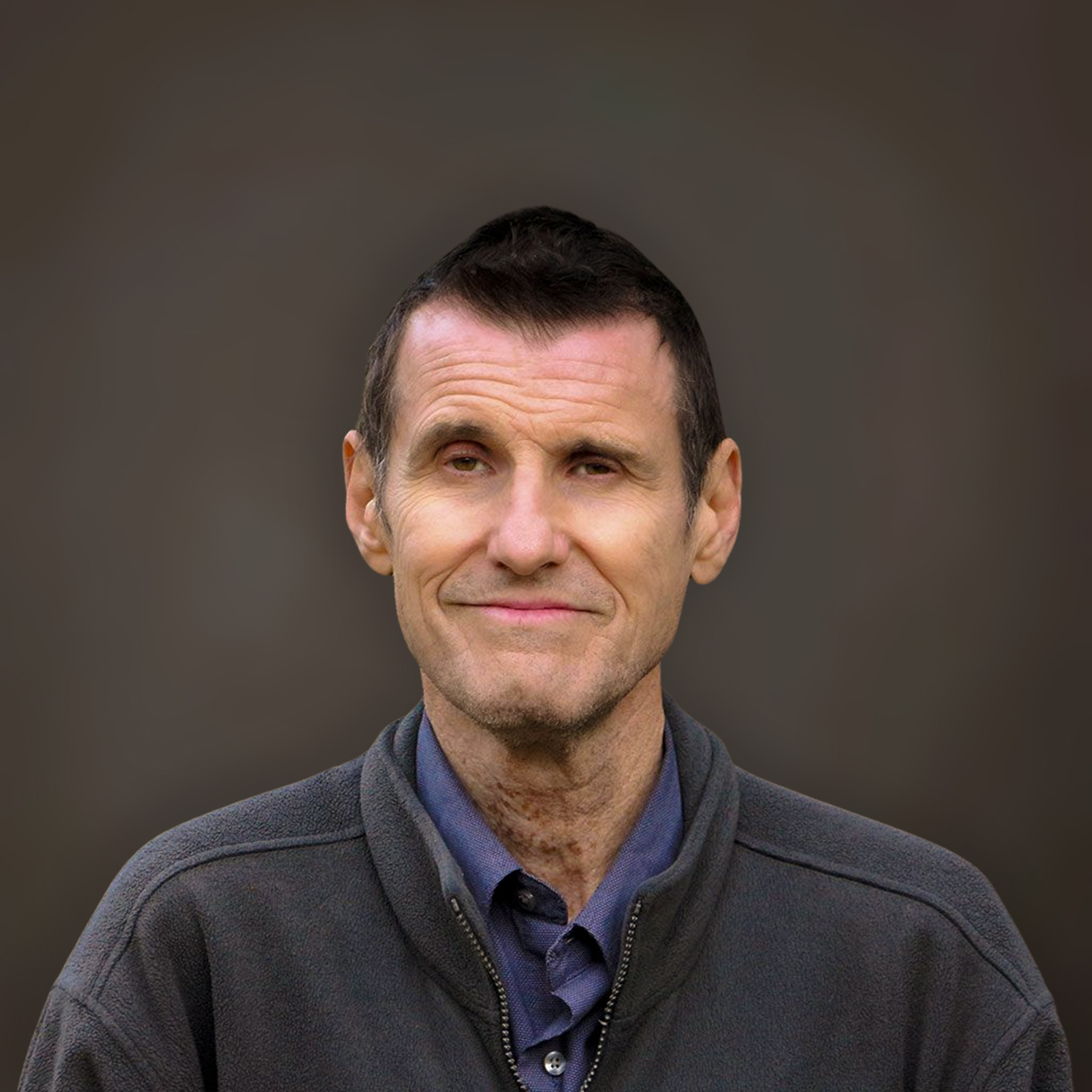
Stephen Sills
Registered Psychologist

Baldwin Asala
Registered Provisional Psychologist

Lara Palset
Registered Provisional Psychologist

Flexible & Accessible Men's Mental Health Therapy Options:
We're committed to making care compassionate, structured, and accessible, whether you need in-person men's counselling in Calgary or virtual sessions across Alberta.

Start with a free consultation to assess fit before beginning counselling.

First appointments are available within 24 to 48 hours after intake and therapist matching.

In-person sessions are available in Calgary at CPC Clinics.

Virtual counselling for men is offered throughout Alberta.

Direct billing is available with more than 30 major insurance providers, depending on your plan and clinician credentials.
Let’s find a time and format that works best for you.
Blogs:
Find Relief from Anxiety With CPC Clinics:
A Conversation With Us
Discover how CPC Clinics helps individuals manage and overcome anxiety through compassionate, personalized care. This blog explores practical approaches and what to expect when starting the journey to relief.
Understanding Anxiety and Its Roots: A Conversation With CPC Clinics
Discover how CPC Clinics helps individuals manage anxiety by addressing its deeper causes—like chronic stress, overthinking, and unresolved tension. This blog explores how anxious patterns form and how personalized therapy can break cycles of rumination, calm the mind, and restore emotional balance.
How Therapy Helps Men Build Stability
We use evidence-based approaches to tailor men's mental health therapy to your specific stress patterns, emotional habits, relationship dynamics, trauma history, and goals. This process helps identify the symptoms, beliefs, coping strategies, and daily pressures connected to your mental health, while supporting you with practical tools, emotional processing, and meaningful steps toward steadier functioning. For men looking for counseling and mental health care that feels direct and useful, treatment focuses on skills, insight, and practical next steps.

1. Cognitive Behavioral Therapy (CBT):
Cognitive Behavioural Therapy targets the thoughts, beliefs, avoidance patterns, and behaviours that maintain… read more

2. Dialectical Behaviour Therapy (DBT)-Informed Skills
DBT-informed therapy helps men manage intense emotions without reacting through anger, shutdown, avoidance, or harmful coping… read more

3. Acceptance and Commitment Therapy (ACT)
ACT builds psychological flexibility by helping clients make room for difficult emotions while taking… read more

4. Eye Movement Desensitization and Reprocessing (EMDR)
EMDR is a trauma-focused psychotherapy used to process distressing memories that continue to affect mood, sleep, safety, anger, and relationships. Therapists guide… read more

5. Solution-Focused Brief Therapy (SFBT)
Solution-Focused Brief Therapy focuses on existing strengths, current resources, and practical next steps rather than requiring clients to retell every detail of… read more
Frequently Asked Questions:
Men's Mental Health Month is commonly recognized in June as part of Men's Health Month, a time used to raise awareness about men's physical, emotional, and mental well-being. NAMI describes June as Men's Health Month and emphasizes the need to speak more openly about men's mental health. Men's Health Network also identifies June as Men's Health Month, while Movember uses November to raise awareness around men's health issues, including mental health. Men's mental health month can be a useful reminder to check in, seek mental health support early, and talk with a professional if stress, anxiety, anger, depression, or relationship strain has become difficult to manage.
Men's mental health therapy is evidence-based counselling that helps men address anxiety, depression, anger, stress, trauma, relationship issues, grief, burnout, and life transitions. It may include CBT, DBT-informed skills, ACT, EMDR, Solution-Focused Therapy, psychoeducation, communication practice, and values-based goal setting. CPC Clinics provides men's mental health therapy in Calgary and virtual therapy for men across Alberta.
Therapy can help with 10 common concerns: anxiety, depression, anger, burnout, trauma, grief, relationship conflict, parenting stress, emotional numbness, and low motivation. Treatment focuses on practical skills for emotional regulation, communication, coping, routine building, self-understanding, and healthier decision making. NIMH notes that men may show symptoms such as irritability, sleep changes, stress, substance misuse, sadness, hopelessness, and high-risk behaviour.
You can access men's mental health counselling in Calgary at CPC Clinics, located at Macleod Place II, 5940 Macleod Trail SW, Suite 500, Calgary, AB T2H 2G4. Virtual men's therapy sessions are also available across Alberta. CPC Clinics offers a free 20-minute consultation, 24 to 48 hour intake after matching, and direct billing with more than 30 major insurance providers when eligible.
Therapy for men and therapy for women use the same evidence-based psychotherapy frameworks, but therapy for men's mental health often pays close attention to the ways some men may experience, describe, or cope with distress. Some men report anger, irritability, physical tension, work overfunctioning, withdrawal, substance use, or emotional numbness before they name sadness or anxiety. WHO identifies self-reliance, difficulty expressing emotions, and self-control as key barriers that can affect men's help-seeking, so effective therapy creates a practical, respectful, and direct space for support.
You may benefit from therapy if stress, anger, anxiety, low mood, sleep problems, relationship conflict, grief, burnout, or loss of motivation is affecting your daily life. A mental health test online may help you notice patterns, but it cannot replace a professional assessment. Men's mental health therapy gives you a structured space to understand what is happening, identify the most important concerns, and build practical strategies for emotional regulation, communication, coping, and follow-through.
The cost of therapy for men can vary depending on the clinician, session length, service type, insurance coverage, and whether care is provided in person or virtually. CPC Clinics offers a free 20-minute consultation, and direct billing may be available with more than 30 major insurance providers when eligible. During intake, the team can discuss therapist fit, fees, billing options, and next steps before you begin care.
Men's mental health is often overlooked because many men are taught to stay self-reliant, minimize emotional pain, focus on work or responsibility, and avoid asking for help until symptoms become harder to manage. Distress may also show up as irritability, overworking, withdrawal, numbness, substance use, or conflict rather than obvious sadness. Counselling helps make these patterns easier to name, understand, and treat without framing support as weakness.
Seeing a male therapist is not automatically better for men's issues, but therapist fit matters. Some men may feel more comfortable speaking with a male therapist, while others may connect better with a therapist based on clinical specialty, communication style, cultural understanding, trauma training, or availability. CPC Clinics can discuss your preference for a male therapist during the free consultation and help match you with a clinician whose training and style fit your goals.