Welcome To

Canadian Psychological & Counselling Clinics

At CPC Clinics, we turn struggles into strength through compassionate psychological, counselling and assessment services. Discover a safe space where healing leads to personal growth and lasting well-being.

At CPC Clinics, we turn struggles into strength through compassionate psychological and counselling services. Discover a safe space where healing leads to personal growth and lasting well-being.

Psychological & Counselling Services

Assessments

Workshops

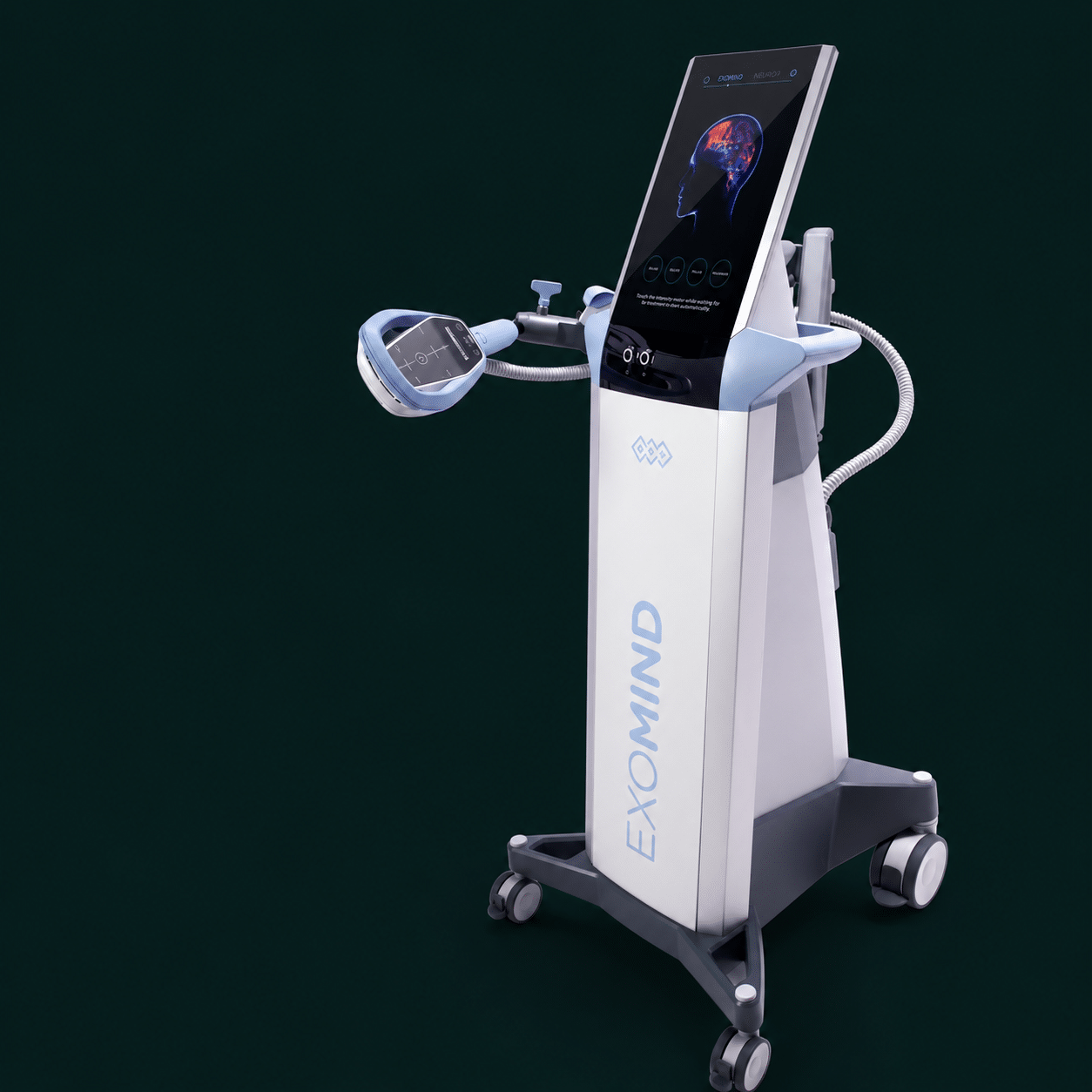
EXOMIND is a non-invasive neurostimulation treatment using transcranial magnetic stimulation (TMS) to target brain areas that regulate mood, cognition, and self-control. It's drug-free, comfortable, and walk-in, walk-out, with suitability determined through a consultation.

Meet Our Team

Direct Billing for Counselling Therapists & Psychologists

At our Calgary psychology clinic, we prioritize making the billing process easy and stress-free for our clients. Many of our licensed Calgary psychologists offer direct billing services for over 30 major insurance providers. Our Provisional Psychologists in Calgary are also eligible for coverage under providers like Alberta Blue Cross and Greenshield. Additionally, our experienced Calgary counsellors are covered by numerous insurance plans and can directly bill many of them on your behalf.
 

Please note that direct billing eligibility depends on both your insurance provider and the individual therapist’s credentials. We recommend checking with your insurance company to confirm your mental health coverage.

Invest in Your Healing Journey

Choose a package that supports your path to growth, with flexibility and savings built in.

At CPC Clinics, our mission is to make therapy accessible, affordable, and empowering — while maintaining the highest standard of care for your healing journey. Explore our counselling packages below and choose the one that best supports your path to growth and wellbeing. If any of the packages resonate with your needs, please contact our office to get started.

Our Space

What Defines Us!

Our Values

Unwavering Integrity: We uphold the highest standards of professionalism, ethics, and care, staying true to our mission to create a safe, trusted space for growth and healing.

Empathy That Transforms: We connect deeply and authentically with each client, offering a compassionate foundation for meaningful, lasting change.

Honoring Potential: We see the unique strengths within every individual and are dedicated to nurturing those strengths into empowering outcomes.

Purposeful Service: We approach every interaction with intention, offering support that is meaningful, transparent, and guided by compassionate boundaries.

Your Healing Journey, Made Simple

01. Foundation Building

We understand how important it is to get the right support quickly. Here is exactly what you can expect:

Submit The Contact Form

Share what you need and what brings you here, so we can understand your situation clearly and connect you with the therapist who’s the best fit for your goals.

Personalized Intake

Our intake coordinator will reach out within 24–36 hours (by call, email, or text) to understand your goals and concerns and match you with the right therapist.

First Appointment

Once matched, we’ll book your first session within 24–48 hours and your therapist will begin creating a safe, supportive space with personalized goals.

Prefer to Speak to Someone Directly?

Call us at 1-888-567-2722 during business hours. If we miss you, leave a voicemail or text and we’ll return your call within 24–36 hours.

02. Deep Exploration

You will work closely with your therapist to uncover root causes, explore emotions, and develop awareness. Depending on your needs, we may use evidence-based approaches such as Cognitive-Behavioral Therapy (CBT), Mindfulness, or Trauma-Informed Therapy to help you move forward.

03. Lasting Transformation

This stage focuses on applying insights into real life. Your therapist will help you strengthen new coping skills, reinforce growth, and support long-term mental well-being — empowering you to live with clarity and confidence.

Ready to Begin?

Your Healing Journey, Made Simple

01. Foundation Building

We understand how important it is to get the right support quickly. Here is exactly what you can expect:

Submit The Contact Form

It only takes a few minutes. Tell us what you are looking for and what brings you here. The more details you share, the better we can match you with the right therapist.

Personalized Intake

Our intake coordinator will contact you (within 24–36 hours) through your preferred method (call, email or text) to learn more about your goals and concerns. This helps us find the best-fit therapist for you — one who truly understands your needs.

First Appointment

Once matched, we schedule your first session. No long waits (within 24–48 hours after intake) — your therapist will begin creating a safe space to explore your situation, build trust, and set personalized goals for your healing journey.

Prefer to Speak to Someone Directly?

You can call our clinic during regular business hours at 1-888-567-2722, and our intake team will guide you through Steps A–C right away. We do receive a high volume of calls — if we miss you, please leave a voicemail or text message, and we will return your call within 24–36 hours.

02. Deep Exploration

You will work closely with your therapist to uncover root causes, explore emotions, and develop awareness. Depending on your needs, we may use evidence-based approaches such as Cognitive-Behavioral Therapy (CBT), Mindfulness, or Trauma-Informed Therapy to help you move forward.

03. Lasting Transformation

This stage focuses on applying insights into real life. Your therapist will help you strengthen new coping skills, reinforce growth, and support long-term mental well-being — empowering you to live with clarity and confidence.

Ready to Begin?

Frequently Asked Questions

You can book directly online through CPC Clinics’ JaneApp link, or contact the clinic by phone or email. The free 20-minute consultation lets you describe your goals, ask questions, and confirm fit before scheduling a full session.

CPC Clinics provides individual therapy, couples counselling, sports psychology, and psychological assessments including ADHD and psychoeducational evaluations. Each service page outlines what to expect and how to get started.

Yes. Therapy is available in person at the Calgary office and virtually, with pages noting “virtual therapy sessions offered throughout Alberta,” so you can choose whichever is most convenient.

The clinic is at Macleod Place II, 5940 Macleod Trail SW, Suite 500, Calgary, AB T2H 2G4. Posted hours are Monday to Friday 8 AM–8 PM, Saturday 8 AM–5 PM, and Sunday 8 AM–4 PM.

At our Calgary psychology clinic, we prioritize making the billing process easy and stress-free for our clients. Many of our licensed Calgary psychologists offer direct billing services for over 30 major insurance providers. Our Provisional Psychologists in Calgary are also eligible for coverage under providers like Alberta Blue Cross and Greenshield. Additionally, our experienced Calgary counsellors are covered by numerous insurance plans and can directly bill many of them on your behalf.

Please note that direct billing eligibility depends on both your insurance provider and the individual therapist’s credentials. We recommend checking with your insurance company to confirm your mental health coverage.

— Schedule Your Sit Down

Book A Free 20 Minute Consultation

We offer a complimentary 20-minute consultation to help you get started on your journey toward mental wellness. This session allows you to meet with one of our therapists, discuss your concerns, and explore how our services can support your needs. It’s a great opportunity to ask questions, understand our approach, and ensure a good fit before committing to a full session. Take advantage of this no-cost consultation to take the first step toward better mental health!

— Get In Touch

We Are Here to Help

Have questions or need more information about our services? Whether you are looking to book an appointment, learn about our therapy options, or just want to have a conversation, we are here to assist you. Feel free to reach out using the contact details below or fill out the form, and our team will get back to you shortly.

Do you agree to receive text messages from CPC Clinics Inc. sent from +1 888 567 2722? Message frequency may vary based on communication needs and may include scheduling, confirmations, reminders, and updates related to appointments or customer assistance. Message and data rates may apply. Reply STOP or CANCEL at any time to opt-out of further text message communications. For assistance, reply HELP or contact support at: +1 888 567 2722.
See our Privacy and Policy Messaging for details on how we handle your information Submit ←

Person-Centered Therapy

You lead. We support.

Person-centered therapy is a supportive, talk-based approach where you lead the conversation and your therapist provides empathy, respect, and non-judgment. The goal is to help you understand yourself more clearly, reconnect with your strengths, and make choices that feel true to you.

  • Stress, burnout, and overwhelm
  • Low self-esteem or self-doubt
  • Anxiety or low mood
  • Identity questions and life transitions
  • Relationship challenges and communication

Your therapist focuses on a safe relationship (feeling understood matters), your meaning (what experiences mean to you), and your pace (no pressure to “perform” or be “fixed”). Sessions usually feel like an honest conversation. Your therapist may reflect what they hear, ask gentle questions, and help you notice patterns, emotions, and needs.

Research on patient/person-centered approaches consistently highlights the importance of the therapeutic relationship and client experience in outcomes, and recent reviews show benefits in depression/negative emotions in group formats.

It can be flexible, but your therapist will still help you stay connected to goals.

No. Many people come for growth, clarity, and support.

It varies. Some people use it short-term; others prefer longer support.

Yes. Many therapists integrate person-centered principles with skills-based methods.

Strength-Based Therapy

Build from what is strong.

Strength-based therapy focuses on your capabilities, values, resources, and resilience, not just symptoms or problems. It does not ignore pain. It helps you build from what is strong while you heal what hurts.

  • Confidence and self-worth
  • Anxiety and stress management
  • Recovery after setbacks
  • Motivation and goal-building
  • Identity development and life direction

You and your therapist identify strengths (skills, values, character, supports), exceptions (times the problem is smaller), and practical steps that fit your real life.

Strength-based methods are widely used across therapies. A large review noted they are common in many approaches and can be helpful, while also emphasizing that research on their “unique contribution” is still developing.

Yes, when needed. The difference is you also build skills and hope alongside the hard parts.

No. It is realistic, compassionate, and grounded in your lived experience.

Cognitive Behavioural Therapy (CBT)

Understand patterns. Build new skills.

CBT is a structured therapy that helps you notice links between thoughts (what you tell yourself), feelings (emotions and body sensations), and behaviors (what you do or avoid). Then you practice new skills to shift patterns that keep you stuck.

  • Anxiety (worry, panic, social anxiety)
  • Depression and low mood
  • Stress and burnout
  • OCD-related patterns (with specific CBT methods)
  • Sleep problems (with CBT-I)
  • Anger and emotion regulation

CBT often includes identifying “hot thoughts” and beliefs, testing thoughts with evidence (not forced positivity), exposure and behavioral experiments (at a safe pace), and building routines that support mood and confidence.

Major clinical guidelines consistently recommend evidence-based psychological therapies such as CBT for depression, and CBT is also widely used for anxiety-related concerns.

Often yes, but it is collaborative and tailored.

No. It is about realistic thinking and helpful action.

Acceptance and Commitment Therapy

Understand patterns. Build new skills.

ACT (said as one word: “act”) helps you stop getting pulled into mental struggles, build psychological flexibility, and take action based on values, even when life feels hard.

  • Anxiety and worry cycles
  • Depression and low mood
  • Stress, perfectionism, and burnout
  • Chronic pain or health-related distress
  • Shame and self-criticism

ACT uses skills like mindfulness (present-moment awareness), cognitive defusion (stepping back from thoughts), values clarification (what matters most), and committed action (small steps that fit your life).

Overviews of research report ACT can improve depression and anxiety compared with waitlist or usual care, often showing similar outcomes to traditional CBT in many studies.

No. It means making space for reality so you can move forward with choice.

No. It is a psychological approach, though it can align with many belief systems.

Motivational Interviewing (MI)

Your reasons. Your pace.

Motivational Interviewing is a collaborative approach that helps you work through “part of me wants to change, part of me does not.” It is not confrontation. It is a structured conversation that strengthens your own reasons for change.

  • Substance use goals (reduction or stopping)
  • Health behavior change (sleep, routine, lifestyle)
  • Procrastination and follow-through
  • Readiness for therapy and coping skills
  • Parenting or relationship change goals

MI focuses on empathy and respect, exploring ambivalence, strengthening “change talk,” and building a practical plan that fits your values.

A Cochrane review found MI may reduce substance use compared with no intervention in the short term, with smaller or mixed differences versus other active approaches.

No. MI is designed to avoid pressure and increase autonomy.

It can be a short intervention or combined with CBT/ACT and other approaches.

Solution-Focused Brief Therapy

Focus forward. Build solutions.

SFBT is a practical approach that spends less time analyzing the past and more time building clear goals, small, realistic steps, and confidence from progress.

  • Work stress and burnout
  • Confidence and decision-making
  • Relationship and communication goals
  • Parenting support
  • Life transitions and problem-solving

Common tools include the “miracle question” (clarifying what you want), exception-finding (when the problem is smaller), and scaling questions (measuring progress in real terms).

Recent umbrella/meta-analytic research reports SFBT shows positive outcomes across issues and settings, with generally small-to-moderate effects depending on context and study quality.

If it is important, yes. The focus stays on what helps you move forward safely.

Often brief, but it depends on goals and complexity.

Internal Family Systems (IFS)

Understand your parts. Lead with compassion.

IFS views the mind as having different “parts” (for example, an inner critic, a protector, a people-pleaser). These parts are not bad. They usually developed to help you survive or cope. Therapy helps you relate to these parts with compassion and restore inner balance.

  • Trauma-related symptoms and emotional overwhelm
  • Shame, self-criticism, and perfectionism
  • Anxiety and inner conflict
  • Relationship patterns and boundaries
  • Chronic stress responses

IFS helps you identify parts and what they protect, unblend (step back) from intense emotions, and build self-leadership (calm, clarity, compassion).

IFS has emerging research. Recent publications describe it as promising, with growing studies in areas like trauma-related symptoms and depression, but the overall evidence base is still smaller than older modalities like CBT.

No. "Parts" is a normal way to describe inner experiences, not a diagnosis.

Not necessarily. Your therapist will pace the work and prioritize safety.

Existential Therapy

Find meaning. Live authentically.

Existential therapy helps you explore big human questions such as “Who am I now?”, “What matters to me?”, and “How do I live with uncertainty, grief, or change?” It is not about giving you answers. It is about helping you find clarity and meaning that fits your values.

  • Grief and loss
  • Identity shifts, life transitions
  • Anxiety related to uncertainty
  • Purpose, meaning, and motivation
  • Relationship and values conflicts

Existential therapy often focuses on meaning-making and values, responsibility and choice, exploring fear, uncertainty, and hope, and building a life that feels aligned.

Existential approaches have a meaningful clinical tradition, and research literature includes growing work in specific areas (for example, existentially oriented interventions in health and chronic pain contexts), though the evidence base is not as standardized as CBT-style protocols.

It can be deep, but it stays grounded in your real life decisions and relationships.

It may help, especially when symptoms connect to life meaning, identity, or loss.

Constructivist Therapy

Reshape your story. Rebuild meaning.

Constructivist therapy focuses on how people “construct” meaning from life experiences. When life has been painful, the meaning you learned (“I am not safe,” “I am not enough”) can keep showing up. Therapy helps you examine these meanings and rebuild them in a healthier way.

  • Identity and self-worth concerns
  • Relationship patterns
  • Life transitions and decision-making
  • Coping after trauma or adversity (with appropriate pacing)
  • Depression and anxiety linked to self-beliefs

You might explore core beliefs about self, others, and the world, personal narratives and identity themes, and new ways to interpret events without self-blame.

Constructivist approaches include therapies like Personal Construct Therapy (PCT), which has clinical trials in specific populations and focuses on identity and interpersonal meaning. Evidence varies by the specific constructivist model and presenting concern.

Only if it helps your goals. The focus is on how past meanings affect you now.

It may help, especially when symptoms connect to life meaning, identity, or loss.

Attachment-Based Therapy

Understand patterns. Build secure connection.

Attachment-based therapy focuses on how early and later relationships shape trust and safety, boundaries, emotional regulation, and how you connect, avoid, or people-please. It is not about blaming caregivers. It is about understanding patterns and building healthier attachment and communication now.

  • Relationship conflict or repeated cycles
  • Fear of abandonment or closeness
  • Emotional shutdown or overwhelm
  • Parenting support and family dynamics
  • Healing after betrayal or rupture

You learn to notice triggers and protective patterns, build safer emotional communication, and strengthen secure attachment behaviors over time.

Attachment insecurity is strongly linked with emotional distress in research, and attachment-oriented interventions (especially family-based models in youth) show measurable improvements in attachment and mood-related outcomes in some settings.

No. It can be individual, couples, or family work.

EMDR

Process memories. Reduce distress.

EMDR is a structured therapy used to help the brain process distressing memories so they feel less overwhelming. It uses a sequence of steps and “bilateral stimulation” (such as guided eye movements or tapping) while you focus on aspects of a memory in a controlled, supported way.

  • PTSD and trauma symptoms
  • Distressing memories
  • Anxiety linked to past experiences
  • Triggers, nightmares, and hypervigilance
  • Grief after traumatic loss (when clinically appropriate)

EMDR typically includes stabilization and coping skills first, identifying target memories and triggers, processing in short sets with therapist guidance, and integrating new beliefs and body calm.

Major guidelines recognize EMDR as a recommended/supported treatment option for PTSD and stress-related conditions, and systematic reviews support EMDR and trauma-focused CBT as first-line psychological treatments for PTSD.

Often less detail is needed than in some exposure-based approaches, but your therapist will explain options and ensure consent and pacing.

Mindfulness-Based Therapy

Present moment. Calm awareness.

Mindfulness-based therapy teaches skills for noticing thoughts, emotions, and body sensations with less reactivity. It is not about “emptying your mind.” It is about building awareness so you can respond with more choice. Common evidence-based formats include MBSR (Mindfulness-Based Stress Reduction) and MBCT (Mindfulness-Based Cognitive Therapy).

  • Stress, burnout, and overwhelm
  • Anxiety and rumination
  • Depression relapse prevention (MBCT)
  • Emotion regulation and sleep routines
  • Chronic stress responses

You practice breathing and attention training, body scan and grounding, mindful movement (as appropriate), and applying mindfulness to daily stress.

MBCT has strong evidence for reducing relapse risk in recurrent depression, including individual participant data meta-analysis findings. MBSR also has RCT evidence for anxiety disorders and a broad research base across stress and mood outcomes.

No. Your therapist can start small and build gradually.

Trauma-Focused CBT (TF-CBT)

Healing for young people. Family support.

TF-CBT is a structured, evidence-based therapy designed primarily for children and adolescents impacted by trauma. It helps reduce trauma symptoms while building coping skills for both the child and caregiver (when appropriate).

  • Post-traumatic stress symptoms in youth
  • Anxiety, depression, and grief linked to trauma
  • Nightmares, avoidance, and triggers
  • Emotional and behavioral dysregulation after trauma

TF-CBT commonly includes psychoeducation (understanding trauma reactions), relaxation and emotion regulation skills, thought skills (helpful thinking), gradual trauma narration/processing (paced carefully), and caregiver involvement and safety planning when appropriate.

Systematic reviews and meta-analyses consistently find TF-CBT is effective for pediatric post-traumatic stress symptoms and related depression/anxiety/grief symptoms, often outperforming control conditions and supporting guideline recommendations.

It includes trauma processing, but it is gradual, skills-based, and paced to the child's readiness.

Dialectical Behaviour Therapy (DBT)

Balance acceptance and change.

Dialectical Behaviour Therapy (DBT) is a structured, skills-based form of therapy designed to help people better understand, manage, and respond to intense emotions. It combines acceptance strategies with practical tools for change, supporting both emotional validation and personal growth. DBT is especially helpful for individuals who experience emotions very strongly, feel overwhelmed by distress, or struggle with impulsive reactions that affect relationships, work, or wellbeing.

  • Intense or rapidly changing emotions
  • Difficulty managing distress or crisis moments
  • Impulsive behaviours or reactions
  • Relationship challenges and conflict patterns
  • Chronic stress, emotional sensitivity, or burnout
  • Difficulties with emotion regulation and self-control

DBT focuses on building practical life skills while also helping you feel understood and supported. Therapy often includes learning and practicing skills in four core areas: Mindfulness (building awareness without judgment), Emotion Regulation (understanding and managing emotions), Distress Tolerance (coping with intense situations), and Interpersonal Effectiveness (improving communication and boundaries).

Dialectical Behaviour Therapy is a well-researched treatment originally developed for individuals experiencing significant emotion regulation difficulties. Research supports DBT in reducing emotional distress and improving coping, interpersonal functioning, and quality of life across various clinical populations when delivered by trained professionals.

No. While DBT was originally developed for specific clinical concerns, many people benefit from DBT skills even without a formal diagnosis.

Gottman Method Couples Therapy

Strengthen connection. Navigate conflict.

The Gottman Method is a structured, research-informed approach to couples therapy focused on helping partners better understand one another, navigate conflict more effectively, and strengthen emotional connection. Developed from decades of relationship research, this method emphasizes practical skills, emotional awareness, and building a strong foundation of trust, respect, and friendship within relationships.

  • Ongoing conflict or communication breakdowns
  • Feeling disconnected or emotionally distant
  • Repeated arguments that never feel resolved
  • Trust concerns or relationship strain
  • Life transitions (parenthood, career changes, stress)
  • Strengthening an already stable relationship

Gottman Method therapy focuses on both understanding patterns and building skills. Sessions often involve identifying communication and conflict patterns, learning how to manage disagreements safely, strengthening emotional connection and friendship, building respect, appreciation, and understanding, and developing shared meaning and long-term relationship goals.

The Gottman Method is grounded in decades of observational and longitudinal relationship research. Studies associated with this approach highlight the importance of emotional attunement, effective communication, and conflict management skills in relationship satisfaction and stability.

No. Many couples use this approach to strengthen connection, communication, and understanding before problems escalate.

Insurance Friendly Package - 10 Sessions

We understand that insurance coverage can be limited. This package helps you make the most of your benefits while providing peace of mind and continuity in your care. You will receive individual receipts for each session, which can be submitted to your insurance provider for reimbursement.

Sessions:
10 Sessions
Discount:
10% off per session
Valid For:
1 year from purchase

$2,160.00 CAD

Pay upfront • Discounted receipts

Insurance Friendly Package - 5 Sessions

Designed for flexibility and value, this package helps you maximize your insurance coverage and maintain consistency in your therapy journey. Receipts for each session will be provided for insurance reimbursement.

Sessions:
5 Sessions
Discount:
5% off per session
Valid For:
1 year from purchase

$1,140.00 CAD

Pay upfront • Discounted receipts

12 Session Pack - Buy 10, Get 2 Free

Our most popular package — ideal for clients committed to long-term growth and progress. Two complimentary sessions can make a significant difference in deepening your self-awareness and sustaining your healing process.

Sessions:
12 Sessions (10 + 2 Free)
Discount:
2 Free Sessions
Valid For:
1 year from purchase

$2,400.00 CAD

Pay upfront • Discounted receipts