Relationship Assessment
Couples Assessment & Support
Struggling with distance or conflict? At CPC Clinics, our Relationship & Couples Assessment in Calgary clarifies challenges, strengthens communication, and provides clear steps toward connection and growth.
What Our Couples Assessment Includes: A couples evaluation is like piecing together a story. We explore communication patterns, stress points, and strengths to build a clear, balanced picture.

Comprehensive Couples Intake
Comprehensive Couples Intake: The process begins with a comprehensive couples intake that explores…
Comprehensive Couples Intake: The process begins with a comprehensive couples intake that explores the story of your relationship, including your shared timeline, core strengths, current stressors, values, and long-term goals. Preferred outcomes are discussed so that both partners feel heard and aligned, and brief individual check-ins are included when appropriate to ensure that each person’s voice and perspective are fully represented.

Attachment and Pattern Mapping
Attachment and Pattern Mapping: Together we identify and map out the patterns that may be creating…
Attachment and Pattern Mapping: Together we identify and map out the patterns that may be creating tension in your relationship, such as pursue-and-withdraw or attack-and-defend cycles. We look closely at the triggers that spark conflict, the repair attempts that may not land as intended, and the moments of both disconnection and reconnection. By making these cycles visible, couples gain a clearer understanding of what is happening beneath repeated arguments.
Communication Review
Communication Review: We review how you currently communicate with one another, paying…
Communication Review: We review how you currently communicate with one another, paying attention to clarity of expression, listening habits, and the emotional signals that are exchanged. From there, we introduce practical adjustments such as calmer conversation starts, fair-fight rules that prevent escalation, and simple repair phrases that help de-escalate tension and restore connection more quickly.

Standardized Screening
Standardized Screening: A set of brief, validated screening measures is completed to assess…
Standardized Screening: A set of brief, validated screening measures is completed to assess relationship distress, satisfaction, and risk factors. Results are shared in clear, plain language that avoids jargon and ensures both partners understand what the findings mean for their relationship. These measures provide a structured way to track challenges and progress over time.
Context Factors
Context Factors: We also consider the broader life context that shapes your relationship, such as parenting…
Context Factors: We also consider the broader life context that shapes your relationship, such as parenting responsibilities, shift work, sleep routines, or health concerns. By acknowledging these factors, we work together to identify realistic and doable protections for time, energy, and shared connection so that your relationship can be supported in daily life.

Next-Steps Plan
Next-Steps Plan: The process concludes with a next-steps plan that is tailored to your unique relationship…
Next-Steps Plan: The process concludes with a next-steps plan that is tailored to your unique relationship. This includes concrete home practices, curated resources, and recommendations for ongoing support. Options may involve short-term skills coaching, a referral for evidence-based couples therapy such as Emotion-Focused Therapy (EFT) or Cognitive-Behavioral Conjoint Therapy (CBCT), or a structured practice plan that both partners agree to follow.
Why Our Couples Assessment is the Clear Choice for You
Our Relationship & Couples Assessment Calgary combines clinical expertise with compassionate care. We look beyond surface issues to uncover root challenges and highlight strengths, offering clear steps toward stronger communication, connection, and growth.
1. Emotionally Focused Therapy (EFT):
EFT is an attachment-based approach that helps partners notice reactive loops, risk softer…read more

2. Cognitive-Behavioral Couple Therapy:
CBCT highlights how interpretations and behaviors can amplify conflict (mind-reading, all… read more

3. Communication & Repair Skills:
During the assessment, we practise high-leverage tools—gentle start-ups, reflective listening... read more

4. Mindfulness/ACT-informed strategies:
We’ll introduce simple ways to notice urges and escalations without acting on.… read more

5. Psychoeducation & Safety Planning:
You’ll learn how stress, sleep changes, and transitions strain bonds, how flooding and shutdown… read more
Meet Our Calgary Relationship & Couples Assessment Psychologists:

Flexible & Accessible Options:
Our Relationship & Couples Assessment Calgary uses evidence-based tools to clarify patterns and stressors. Fees vary by session length and complexity; a brief intake helps us match the scope.

Couples Assessment
Contact Us for a Quote

Insurance billing available under specific conditions

In-person sessions available in Calgary
Let’s find a time and format that works best for you.
Blogs:
How Stress Affects Your Relationship and Ways to Cope
Discover how patterns of conflict, stress, and communication affect your daily connection, and learn how our Relationship & Couples Assessment Calgary provides clarity and practical strategies for healthier, more supportive bonds.
Frequently Asked Questions:
Ans : Only with your explicit consent. If helpful, we can share a brief summary of findings and recommendations—you choose what is shared and with whom.
Ans : Counselling isn’t a cure and we don’t offer timelines. Many people report less distress, steadier routines, and more confidence doing important activities—even when pain persists. Approaches like CBT, ACT, and mindfulness can reduce pain interference and improve function versus usual care. (Harvard Health)
Ans : Not exactly. The assessment is a time-limited process to understand patterns and outline next steps. You’ll practise some skills, but ongoing therapy (EFT/CBCT) is optional and collaborative if you choose it.
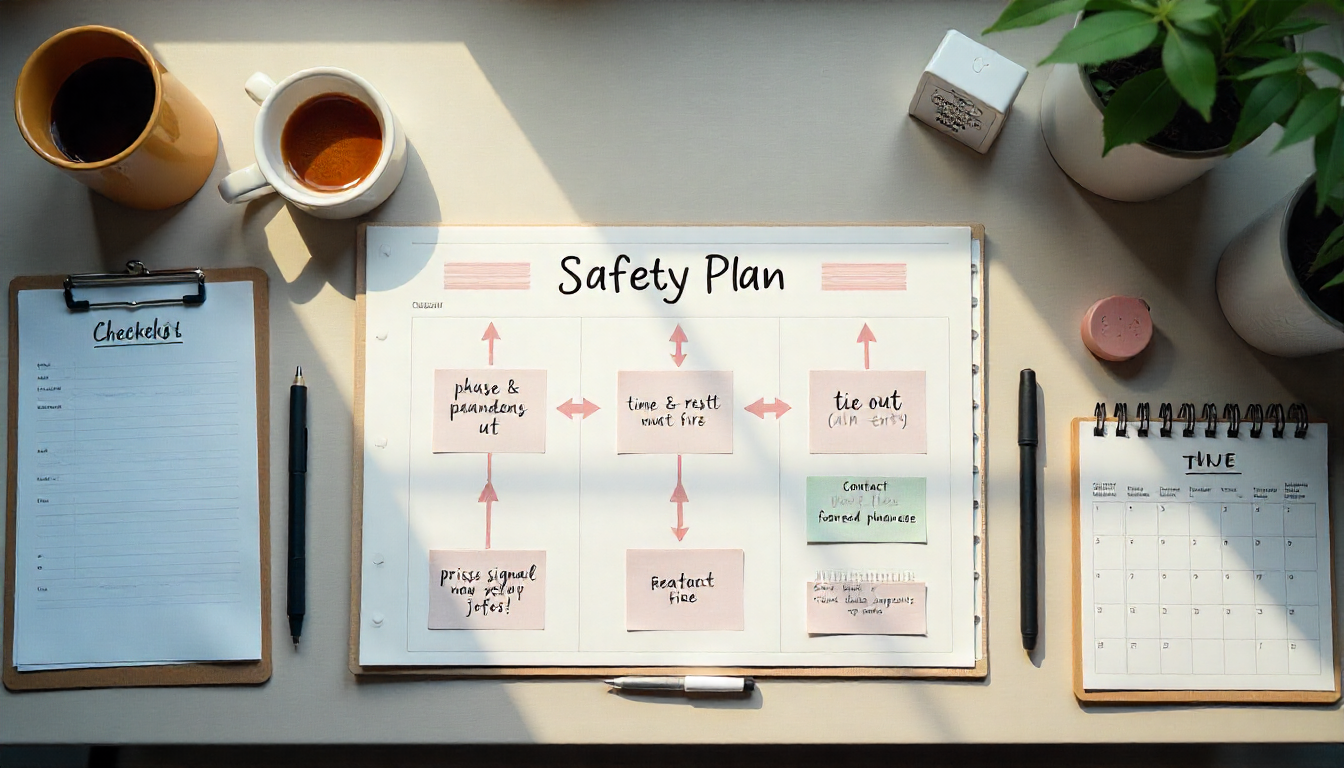
Ans : Safety comes first. If there is risk of harm, contact emergency services or local crisis supports before scheduling. In session, we outline de-escalation steps, boundaries, and crisis options specific to your situation.
Ans : Most couples complete the assessment in 1–3 sessions, depending on goals and complexity. You’ll receive verbal feedback (and, when helpful, a brief written summary) plus tailored recommendations for next steps.