
OCD Therapy
How OCD Therapy Helps You Reclaim Control
Living with obsessive thoughts or repetitive behaviours can be overwhelming. Furthermore, at CPC Clinics, OCD therapy using CBT and ERP helps you break patterns of doubt, checking, and rituals while building practical skills for meaningful change.
OCD therapy at CPC Clinics uses education, skills, and gradual practice to change how you respond to intrusive thoughts and urges. With CBT and ERP, you learn to face feared situations safely and lessen reliance on rituals, allowing you to live more freely with uncertainty.

Collaborative understanding
Collaborative understanding of OCD cycles:
We start by mapping how your obsessions, emotions, and compulsions interact in daily life. You and your psychologist explore…
Collaborative understanding of OCD cycles:
We start by mapping how your obsessions, emotions, and compulsions interact in daily life. You and your psychologist explore what triggers your anxiety, how you try to feel safer, and how those attempts may keep the cycle going. This shared language becomes the foundation for practical, targeted treatment rather than vague “talking about it.”

Psychoeducation and CBT foundations
Psychoeducation and CBT foundations:
You learn what OCD is (and what it is not), how the brain’s alarm system works, and why certain thoughts…
Psychoeducation and CBT foundations:
You learn what OCD is (and what it is not), how the brain’s alarm system works, and why certain thoughts feel so sticky. We use CBT principles to identify unhelpful beliefs about responsibility, danger, or “getting it right.” Understanding these patterns often reduces shame and helps you see OCD as a treatable condition, not a personal failing. (Forward Thinking Psychological Services™)

Exposure and Response Prevention (ERP)
Exposure and Response Prevention (ERP):
When you are ready, we design step-by-step ERP exercises so you can face feared situations or thoughts while practicing…
Exposure and Response Prevention (ERP):
When you are ready, we design step-by-step ERP exercises so you can face feared situations or thoughts while practicing not doing your usual rituals. Over time, your brain learns that anxiety can rise and fall on its own, without checking, washing, or seeking reassurance. ERP is considered a gold-standard psychological treatment for OCD in children, teens, and adults. (PMC)

Focusing on daily life and values
Focusing on daily life and values:
We link therapy goals to the parts of life you care about most—relationships, parenting, school, work, faith…
Focusing on daily life and values:
We link therapy goals to the parts of life you care about most—relationships, parenting, school, work, faith, or personal interests. Together, you look at where OCD has taken time, energy, or freedom away, and start reclaiming those areas in small, doable steps. This keeps treatment grounded in real life, not just symptom scores.

Addressing co-occurring stress, anxiety, or mood
Addressing co-occurring stress, anxiety, or mood:
Many people with OCD also experience generalized anxiety, health worries, low mood, burnout, or family stress…
Addressing co-occurring stress, anxiety, or mood:
Many people with OCD also experience generalized anxiety, health worries, low mood, burnout, or family stress. Your psychologist keeps these factors in view, integrating strategies from CBT, mindfulness-based approaches, or other evidence-informed tools so therapy supports your whole wellbeing, not only OCD symptoms. (Envision Mind Care)

Planning for maintenance and flare-ups
Planning for maintenance and flare-ups:
As you make progress, we develop a practical plan for maintaining gains and noticing early signs of an OCD flare…
Planning for maintenance and flare-ups:
As you make progress, we develop a practical plan for maintaining gains and noticing early signs of an OCD flare. You leave with a clear sense of your personal warning signs, go-to skills, and when to reach out for booster sessions. This helps you feel more prepared for life’s inevitable stressors.
How OCD Therapy Helps You Live with Confidence
We use a range of evidence-based approaches to tailor OCD therapy to your unique needs. This process helps you understand intrusive thoughts and urges, recognize patterns that keep the cycle going, and build skills that support greater confidence and control in daily life.

1. Clinical interview & history:
Your psychologist begins with a thorough, structured conversation about your experiences, history, health, and current stressors. We explore…read more

2. OCD cycle education & formulation:
We translate your story into a simple, visual “OCD cycle” that shows the links between triggers, thoughts, feelings, urges, and rituals. You learn...read more
3. Exposure and Response Prevention (ERP) planning:
Using your goals and values, we collaboratively build a graded “fear hierarchy.” Together… read more

4. Cognitive and acceptance-based skills:
Alongside ERP, we may use cognitive strategies and acceptance-based tools to address unhelpful beliefs (“If I think it, it might happen,” “I must…… read more

5. Relapse prevention & support network:
As symptoms improve, sessions focus on consolidating skills, planning for higher-stress periods, and, with your permission, coordinating with key...read more
Meet Our Calgary OCD Therapists

Zarrin Tasneem
Clinical Director
MACP – Registered Provisional Psychologist
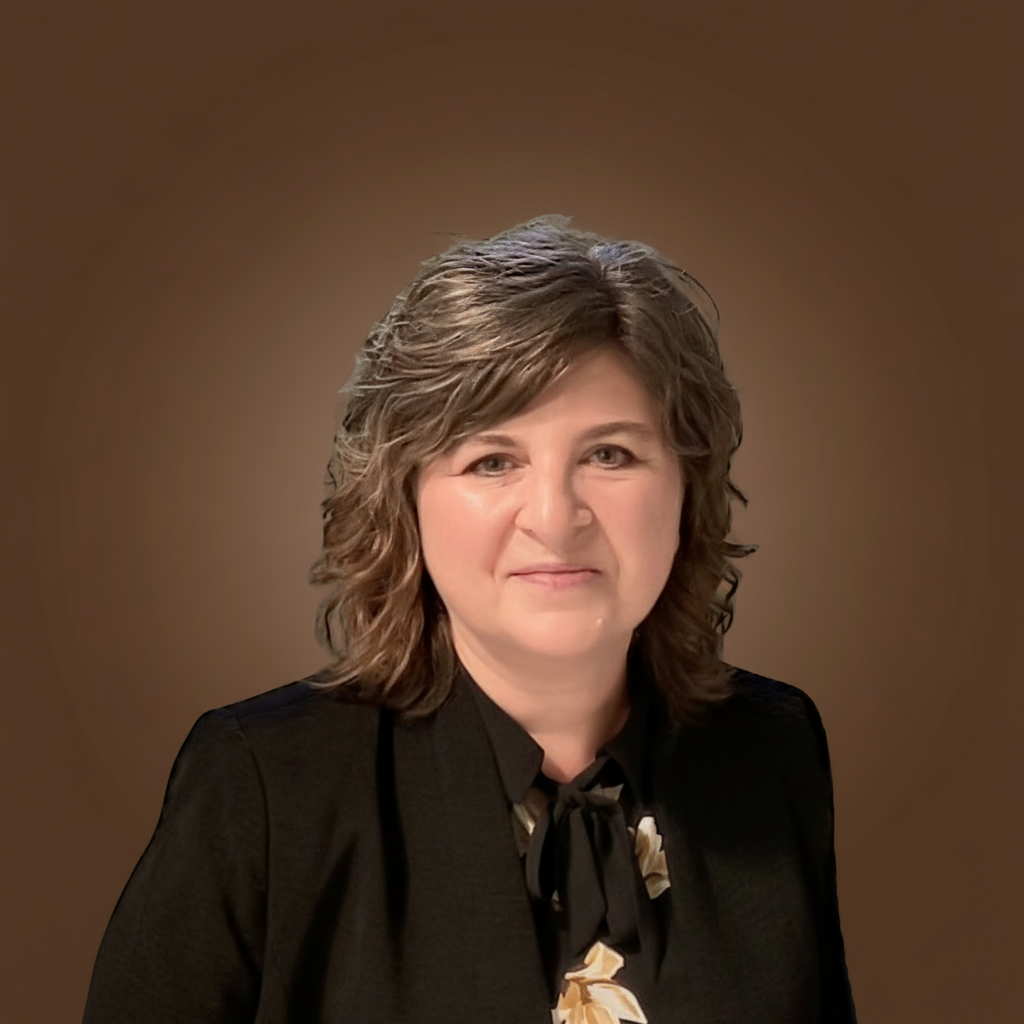
Lara Palset
Registered Provisional Psychologist
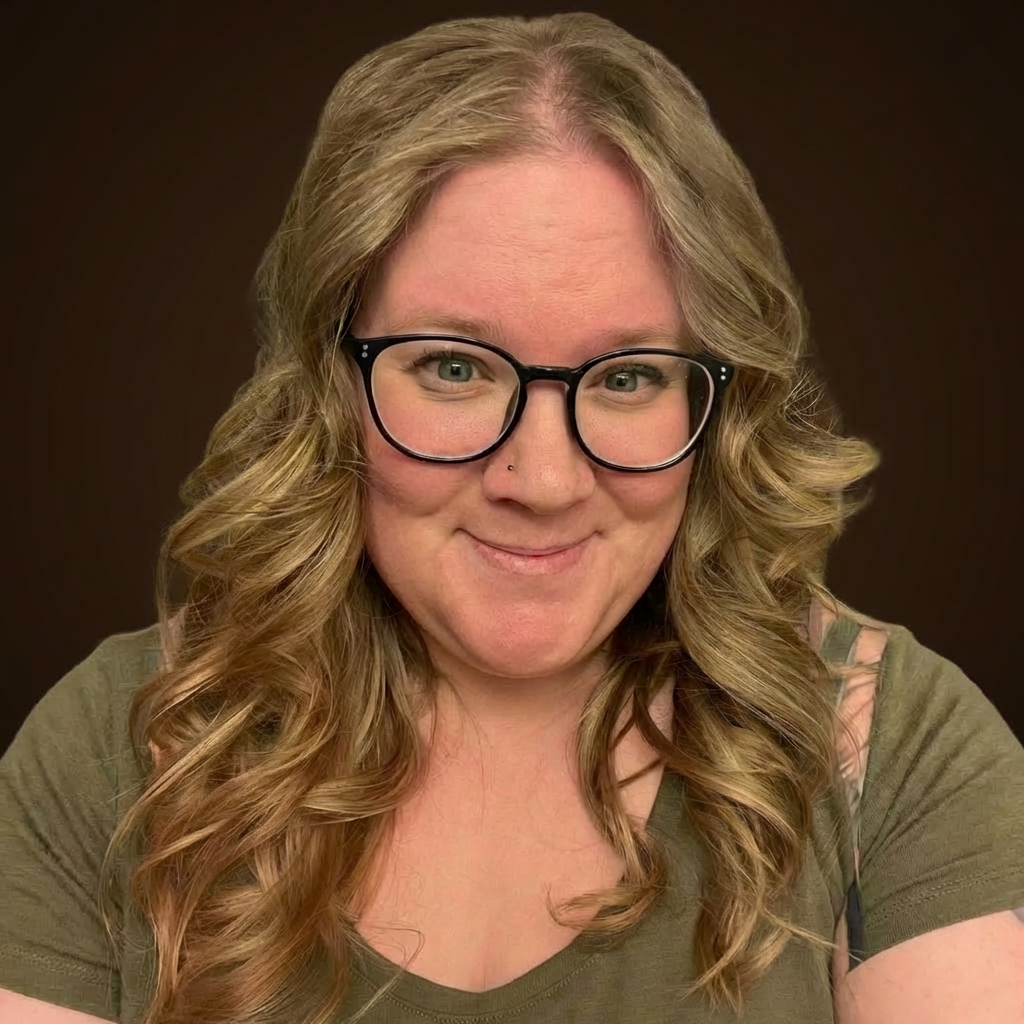
Ashley Sabados
Registered Psychologist
Flexible & Accessible Counselling Options :
We’re committed to making OCD therapy accessible, transparent, and easy to begin—whether you’re in Calgary or anywhere across Alberta.

Sessions start from $240 CAD per session

Insurance billing available under specific conditions

In-person sessions available in Calgary

Virtual therapy sessions offered throughout Alberta
Let’s find a time and format that works best for you.
Blogs:
Find Relief from Anxiety With CPC Clinics:
A Conversation With Us
Discover how CPC Clinics helps individuals manage and overcome anxiety through compassionate, personalized care. This blog explores practical approaches and what to expect when starting the journey to relief.
Understanding Anxiety and Its Roots: A Conversation With CPC Clinics
Discover how CPC Clinics helps individuals manage anxiety by addressing its deeper causes—like chronic stress, overthinking, and unresolved tension. This blog explores how anxious patterns form and how personalized therapy can break cycles of rumination, calm the mind, and restore emotional balance.
Frequently Asked Questions:
Ans : In most cases, people begin to notice shifts after several weeks of consistent work, especially when ERP is included. Some treatment plans are brief and focused, while others take longer depending on severity, co-occurring concerns, and life demands. Your psychologist will discuss a tentative timeline with you and revisit it as therapy progresses. (ScienceDirect)
Ans : No formal diagnosis or referral is required to book with CPC Clinics. Many people come in simply feeling stuck in patterns of checking, cleaning, or intrusive thoughts and are unsure whether it is “really OCD.” Your psychologist can help clarify what is going on and, if appropriate, provide documentation or liaise with your family doctor.
Ans : OCD therapy is one part of a broader care plan. For some people, CBT and ERP alone are enough; others benefit from a combination of therapy and medication such as SSRIs, in line with major treatment guidelines. We do not prescribe medication but can collaborate with your family doctor or psychiatrist, with your consent, to coordinate care. (ScienceDirect)
Ans : No. ERP at CPC Clinics is collaborative and paced carefully. First, you learn about OCD and discuss possible exercises. Then you and your psychologist build a graded plan, starting with more manageable steps and only moving forward when you feel ready. You always have the right to pause, slow down, or adjust the plan. (International OCD Foundation)
Ans : Yes. Many clients across Alberta meet with their psychologist online and find it especially helpful when exposures involve home, driving, hygiene, or work routines. Our online platforms are secure and used in line with provincial telepsychology guidelines, so you can access care from your own space. (Forward Thinking Psychological Services™)
Ans : Sessions with a registered psychologist are generally not covered by the provincial health plan, but many extended benefit plans and employer programs provide partial coverage. You pay CPC Clinics directly and receive a detailed receipt with your psychologist’s credentials, which you can submit to your insurer or keep for tax purposes. We encourage you to check your specific plan. (Alberta.ca)