
Couples Counselling in Calgary
Rebuild Trust and Reconnect With Your Partner
Same argument, different night. Distance where closeness used to be. Our couples counselling in Calgary works on the cycle underneath the conflict. CPC Clinics matches you with a therapist whose practice centres on couples.
Marriage counselling and couples therapy describe the same work here. We meet you in person in Calgary or online across Canada. Both of you speak. Both of you are heard.
We keep your care personalized, collaborative, and paced to you both.
Couples counselling with us typically includes these 6 elements:
Most couples do not have a communication problem. They have a pattern problem. We map the loop you fall into: who pursues, who withdraws, what sets it off. You learn to name that loop in the moment. Naming it is what interrupts it. Communication counselling works better once you both see the cycle.
Closeness returns through small, repeated moments rather than one big conversation. We work on the bids for attention you both miss daily. Sessions cover physical intimacy, affection, and the difference between the two. You set the pace here. We raise nothing before you both agree it is time.
You leave your first sessions with a written plan. We name your goals, the approach we use, and how you measure change. Both of you sign off on it. We revisit it with you every few sessions. Plans change as the work changes.
Conflict is not the problem. How you repair afterwards matters more. We have you practise de-escalation, timeouts, and repair attempts in session. We interrupt an escalation live and show you both what happened. Skills learned in our room transfer to your kitchen at 10pm.
We start with the issue you actually came in with. That includes infidelity, affair recovery, parenting disagreements, blended family stress, money conflict, and in-law tension. Some couples arrive after one clear rupture. Others arrive after years of small ones. We begin where the pressure sits highest.
One of you may be reading this alone. That happens often, and we can still start. We offer individual sessions that work on your side of the pattern. Relationship counselling does not require both partners in the room from day one. We keep the door open for your partner to join later. Nothing you say in an individual session gets carried back as evidence.
How Couples Counselling Strengthen Your Bond
Couples counselling works differently depending on what brought you in. We use 6 evidence-based couples therapy approaches here. We identify which pattern is driving the distress first. From there, we select the approach that fits your situation.
Emotionally Focused Therapy treats disconnection as an attachment problem rather than a skills problem. Sue Johnson developed EFT couples therapy in the 1980s. We help you both reach the softer emotion sitting under the anger.
Identifies the negative cycle you both fall into
Reaches the fear or hurt underneath the conflict
Rebuilds the emotional bond through structured conversations
Suits couples who feel distant rather than hostile
Johnson, Hunsley, Greenberg and Schindler published an EFT meta-analysis in 1999. They reported a 70 to 73 percent recovery rate across rigorous clinical trials. Emotion focused therapy remains one of the most researched couples approaches available.
The Gottman Method rests on more than 40 years of observational research with married couples. John and Julie Gottman studied real couples in a laboratory setting. Gottman method couples therapy gives you concrete tools rather than open-ended conversation.
Assesses your relationship across friendship, conflict, and shared meaning
Targets four patterns named criticism, contempt, defensiveness, and stonewalling
Teaches repair attempts you use during an argument
Builds rituals of connection into ordinary weeks
Gottman research identified those four communication patterns as markers of relationship breakdown. We work with you on replacing each one with a specific alternative.
Cognitive behavioural couple therapy targets the thoughts and behaviours keeping conflict in motion. We work on the interpretations each of you makes about the other. Assumptions get tested against evidence rather than left to harden.
Identifies the automatic assumptions each partner makes
Tests those assumptions against what actually happened
Replaces reactive behaviours with agreed alternatives
Sets between-session tasks you both complete
Behavioural couples therapy holds one of the longest research records in the field. Rathgeber and colleagues reviewed 33 randomised trials covering 2,730 participants in 2019.
Solution focused therapy starts from what already works in your relationship. We look for the exceptions, the times your pattern does not appear. Sessions stay short, specific, and forward-looking.
Finds the moments your pattern does not appear
Sets small, measurable goals for the coming week
Builds on strengths you already have
Suits couples who want fewer sessions
This approach fits couples with one defined issue and limited time. We can combine it with a longer course later.
Integrative Behavioural Couple Therapy combines two aims most approaches keep separate: change and acceptance. Andrew Christensen and Neil Jacobson developed IBCT for couples stuck on long-running differences. Some differences between partners never resolve. IBCT works on how you hold them.
Separates differences that can change from ones that cannot
Builds tolerance for the differences that stay
Reduces the blame attached to a recurring disagreement
Suits couples who have already tried skills-based work
Christensen and colleagues followed 134 seriously distressed couples for five years. Their 2010 trial found half the IBCT couples still showed meaningful improvement at the five-year mark.
Trauma-informed couples therapy applies where past trauma sits inside the relationship. Post-traumatic stress changes how a person reads closeness, conflict, and touch. We adjust pacing and safety planning before any deeper work starts.
Screens for trauma history before joint processing begins
Paces sessions around what each partner can hold
Addresses avoidance and hypervigilance as relationship patterns
Coordinates with individual trauma treatment where that fits
Candice Monson and Steffany Fredman developed cognitive-behavioural conjoint therapy for PTSD. That protocol runs 15 sessions across three phases for couples where one partner carries post-traumatic stress.
Virtual Couples Therapy, Anywhere You Are in Canada
Getting two people to the same appointment is its own problem. We built online couples counselling around that.
Two Schedules, One Appointment
Shift work, childcare, and a commute across Calgary can sink a standing appointment. Virtual couples therapy lets you both join from where you already are. Some couples join us from the same room. Others join from two different cities.
Matched With the Right Therapist
Coverage depends on which of our therapists are registered in your province. We match you with a couples therapist licensed to see you where you live.
What the Research Says
Bradford and colleagues compared 1,157 married clients in teletherapy and in-person couple therapy. Their 2024 study found teletherapy as effective for couple satisfaction. The therapeutic alliance built about twice as fast in person. Both formats work, and we want you to know that difference beforehand.
Therapy That Comes to You
Through secure video sessions, we support couples counselling clients across Canada. You get the same structured approach and the same pacing, guided in real time.
The Same Care, Anywhere
Our virtual and in-person couples counselling follow the same process. Some couples start online and move to in-person later. Others do the reverse.
The Calgary Couples Therapists Behind Your Sessions
You can see who you are working with before you book. Every therapist here works with couples as a core part of their practice. Relationship work asks one therapist to hold two people fairly at once. We match you with the couples therapist whose approach fits what you bring us. Your free consultation is where you check that fit yourself.
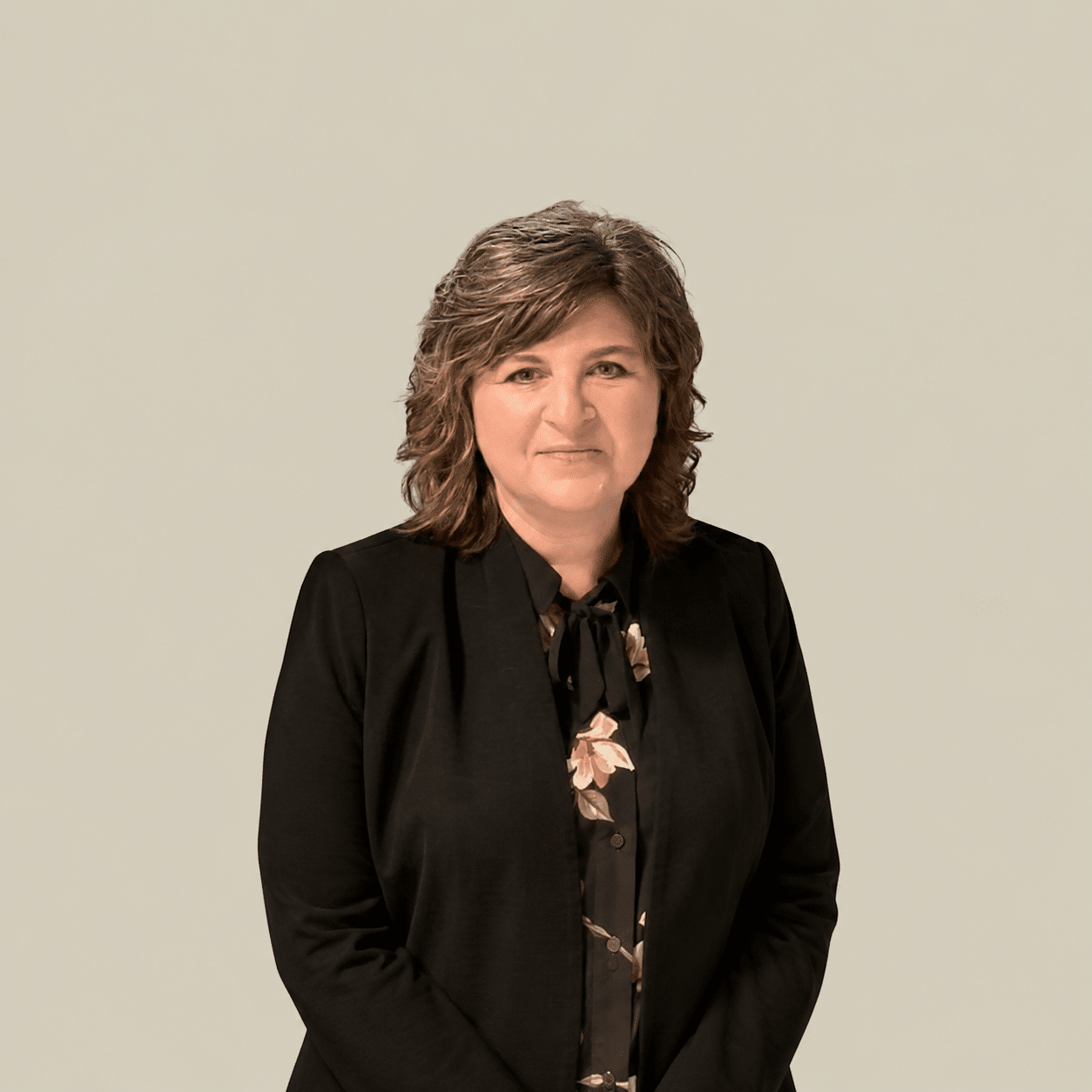
Lara Palset
Registered Provisional Psychologist
- PTSD & Trauma Recovery
- Anxiety, Stress & Burnout
- OCD & Mood Disorders
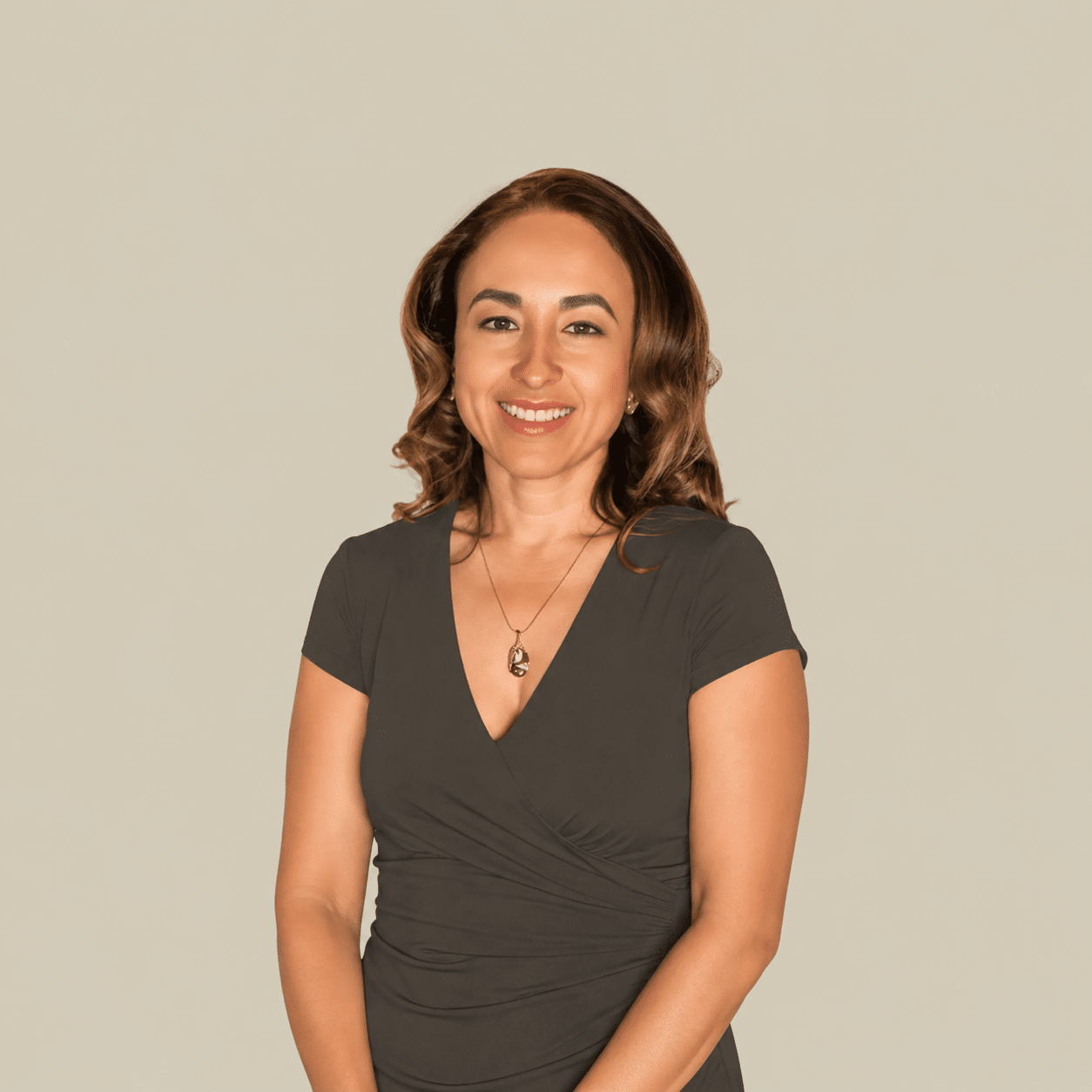
Marggie Marks
MSW, RCSW — Clinical Social Worker & EMDR Clinician
- Sports Psychology
- PTSD & EMDR
- Couples & Family Support

Zarrin Tasneem
Clinical Director, Registered Provisional Psychologist
- Unhealthy Habits & Process Dependency
- Couples & Parenting Support
- ADHD, OCD & Neurodiversity

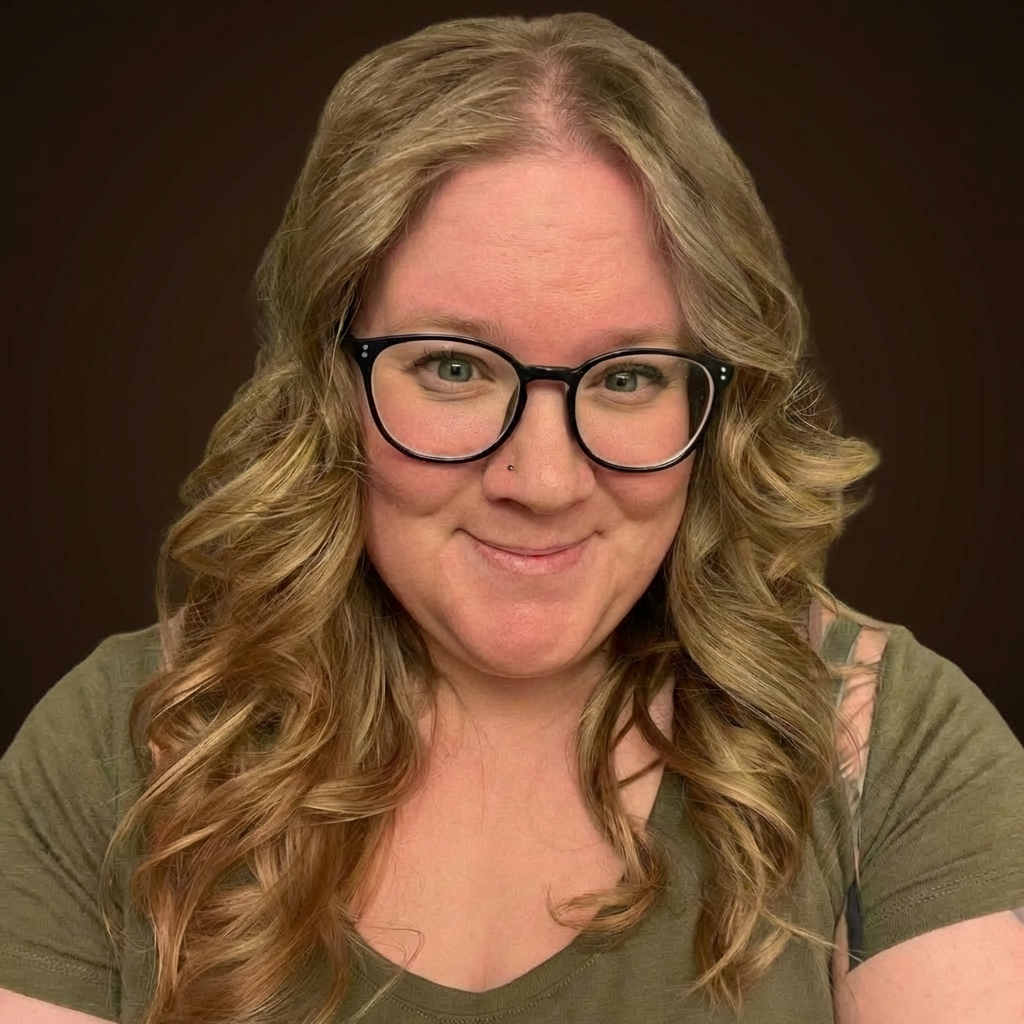
Ashley Sabados
Registered Psychologist
Learn MoreFlexible & Accessible
Counselling Options
We fit our couples counselling in Calgary around two schedules, in person or online.
Sessions start from $240 CAD per session
Direct billing to 30+ insurance providers
In-person sessions available in Calgary
Virtual couples therapy offered across Canada
Let's find a time
and format that works best for
you both.
FAQ
Couples counselling at CPC Clinics starts from $240 CAD per session. The Psychologists' Association of Alberta recommends $235 per hour, effective January 2025. That rate holds with no increase for 2026. Registered psychologists in Alberta set their own rates, so Calgary fees vary. Many extended health plans cover part of that cost.
Often, and usually in part. Alberta Health does not cover private-practice couples counselling. Extended health plans reimburse by practitioner designation, usually Registered Psychologist or Registered Social Worker. Couples sessions are typically claimed under one partner's individual mental health benefit. Confirm your annual maximum with your provider before booking. CPC Clinics offers direct billing to 30+ insurance providers, and our intake coordinator can check yours.
Start on your own. Parnell and Hammer surveyed 292 men in 2018 about couple therapy attitudes. Men who strongly endorsed self-reliance and emotional control held more negative views of it. A reluctant partner is common, and it is rarely about you. Individual sessions work on your side of the pattern. Many partners join later, once they hear the first session was not an ambush.
There are 6 patterns that commonly bring Calgary couples in. Those are the same argument on repeat, silence replacing conversation, and avoiding time alone together. The other 3 are a breach of trust, a stalled decision, and thoughts of leaving. None of these means a relationship is over. Couples wait a mean of 2.68 years before therapy, Doherty and colleagues found in 2021.
For many couples, yes, and the honest picture holds more detail than one number. Lebow and colleagues reported in 2012 that roughly 70 percent of couples benefit in controlled trials. Bradbury and Bodenmann reviewed the field in 2020 and found smaller effects in everyday community settings. About half of couples in those settings do not complete treatment. Finishing the course you start separates the two groups.
Session counts vary by what you are working on. Christensen and colleagues delivered roughly 8 months of therapy in their five-year trial. One clear issue often takes fewer sessions. Trust repair and long-running patterns take more. We review the plan with you every few sessions rather than setting it once.
Neither one wins across the board, and fit depends on your pattern. Emotionally Focused Therapy works on the attachment emotion under conflict. It suits couples who feel distant. The Gottman Method gives structured assessment and tools. It suits couples who fight often and repair badly. Many of our therapists combine both. Your assessment decides the starting point, and the approach can change.
Yes, and affair recovery follows a different sequence than general couples work. The first phase handles the immediate crisis and stops further damage. The second phase examines what the relationship looked like beforehand. The third phase decides whether both of you want to rebuild. Infidelity counselling does not require you to have decided already.
Your first session covers what brought you in and what each of you wants. We hear from both partners, so neither one defines the problem alone. Most couples then have a short private individual conversation. That portion exists so each of you can raise anything difficult. You leave with a plan for the next few sessions.
For couple satisfaction, the research says yes. Bradford and colleagues studied 1,157 married clients in 2024, comparing teletherapy with in-person couple therapy. Teletherapy matched in-person therapy on couple satisfaction outcomes. The therapeutic alliance built about twice as fast in person. Online couples counselling works well, and in-person may build rapport quicker.
Yes. We work with common-law partners, engaged couples, dating couples, and long-term partners who never married. Statistics Canada reported in the 2021 Census that 16.7 percent of Alberta couples live common-law. Alberta also recognises Adult Interdependent Partner status. Relationship counselling does not require a marriage certificate.
No referral is required. You can contact our intake coordinator directly to book a free consultation. Most couples hear back from us within one business day. Bring both partners to that consultation if you can. Come alone if that is where you are starting.
Discernment Counselling in Calgary: When One of You Is Unsure
Discernment counselling is for couples where one partner is leaning out and one is leaning in. Standard couples therapy assumes both partners want to repair the relationship. That assumption fails when one of you is already halfway to the door.
William Doherty and colleagues developed discernment counselling for what they called mixed-agenda couples. Boisvert and colleagues studied 108 couples in 2011. Couples arriving to resolve ambivalence reported different problems than couples arriving to reduce distress. Doherty and colleagues surveyed 2,484 divorcing parents in 2011. About 3 in 10 individuals indicated some interest in reconciliation services.
Discernment counselling runs short, usually no more than 5 sessions. We do not try to fix the relationship in that time. We help you both reach one of 3 decisions. Those are staying as you are, separating, or committing to couples therapy. Separation counselling and co-parenting support follow if that is where you land.
Tell us at the consultation, if one of you is unsure. The right service depends on that answer.
Rebuilding Trust After Infidelity: Affair Recovery in Calgary
Affair recovery counselling works through 3 phases, and rushing the first one is the common mistake.
Phase one handles the crisis. The weeks after disclosure bring intrusive images, broken sleep, and repeated questioning. We set boundaries with you around how much detail gets shared and when. Both partners agree on ground rules for contact with the third party.
Phase two examines the context. This phase looks at what the relationship looked like beforehand. We do not assign blame for the affair to the partner who was betrayed. Responsibility for the decision stays with the partner who made it.
Phase three decides the direction. Some couples rebuild. Some separate with more clarity than they started with. Infidelity counselling does not require you to know which one you want.
Trust rebuilds through repeated consistency over months. Couples who work through all three phases give themselves the clearest view of the choice.
Premarital Counselling and Relationship Check-Ups in Calgary
Premarital counselling covers the conversations most couples skip before the wedding. Money, children, in-laws, religion, career moves, and how each of you handles conflict.
Relationship check-ups apply the same idea to couples who are already doing fine. Cordova and colleagues ran a randomised Marriage Checkup trial in 2014 with 215 married couples. Two brief feedback visits a year apart produced measurable gains in intimacy and lower distress.
Bradbury and Bodenmann reported in 2020 that prevention effects run smaller than treatment effects. A check-up does not replace therapy when a relationship is in real distress. It suits couples who want to catch a drift early.
2 pressure points show up in the research often enough to plan around. Doss and colleagues followed 218 couples across 8 years of marriage in 2009. New parents showed a sudden drop in relationship satisfaction that non-parents did not. Money is the other one. An RBC poll of 1,507 cohabiting Canadians in 2024 found 62 percent arguing about finances.
You do not need a crisis to book a session with us.
Why Calgarians Choose CPC Clinics for Couples Counselling
You may have found this page by searching couples counselling Calgary, or through a referral. Others start by searching couples therapist Calgary and comparing a dozen websites. Either way, the choice comes down to fit. Here is what our clients point to:
Upfront Pricing
Upfront pricing, starting from $240 CAD, with no fees page to hunt through.
Direct Billing
Direct billing to 30+ insurance providers, arranged before your first session.
Open Seven Days
Monday–Friday: 8 a.m.–8 p.m.; Saturday: 8 a.m.–5 p.m.; Sunday: 8 a.m.–4 p.m.
Six Proven Approaches
Six evidence-based couples therapy approaches, matched to what you bring us.
In-Person or Virtual
In-person sessions in Calgary and virtual couples therapy across Canada.
No Referral Needed
No referral needed, with a free consultation before you commit.
Marriage counselling and couples therapy both start the same way with us. This is where Calgary couples start that conversation.
Ready to Reconnect
With Your Partner?
Booking takes a few minutes. Your free consultation covers what you are dealing with and which approach fits. Contact your local emergency services or a crisis line, if you need urgent support right now.
Contact
If you are in crisis, please call 811 or go to your nearest emergency department.
Visit us
5940 Macleod Trl SW Ste 500,Calgary, AB T2H 2G4