
Depression Therapy
Rebuild Your Energy and Reconnect With What You Enjoy
Mornings where getting out of bed takes everything. Plans you keep cancelling. A flatness where interest used to be. Our depression therapy in Calgary works on what keeps low mood in place: your thoughts, routines, sleep, and relationships. CPC Clinics matches you with a depression therapist whose practice centres on mood.
Depression counselling and depression therapy describe the same work here. We meet you in person in Calgary or online across Canada. You set the pace. You decide what we work on first.
Book a Complimentary ConsultationWe keep your care personalized, collaborative, and paced to you.
Depression therapy with us includes these 6 elements:
Therapy treatment for depression starts with where you are today. You complete the PHQ-9, a 9-question depression scale, and repeat it every few sessions to track progress. We screen for persistent depressive disorder and seasonal patterns. Counselling for postpartum depression plans around a newborn's schedule. We check on your safety from day one.
Depression produces automatic thoughts like "I always mess things up." We teach you to catch those thoughts and test them against what actually happened. CBT for depression calls this cognitive restructuring, practised between sessions with short thought records. Over time, you believe them less.
Some days feel unmanageable, even after real progress. We draw on DBT therapy for distress tolerance and emotion regulation, including paced breathing, grounding, and opposite action. Sleep routines and problem-solving keep one bad night from becoming a bad week.
Early sessions give you room to say what's been going on, without being fixed or judged. Your therapist listens for the patterns under the story: what drains you, what still helps, and what changed before the low mood set in. We check on fit early and adjust if it isn't right.
Depression shrinks your week: fewer plans, skipped workouts, unfinished tasks. Behavioural activation reverses the pattern. We schedule small activities tied to what you value, like a 10-minute walk or one text to a friend. Action comes first, and motivation follows it.
Feeling better is the first goal. Staying better is the second. At least half of people who recover from a first episode of depression have another, per Burcusa and Iacono's 2007 review. Your written plan names early warning signs, the skills that helped most, and who to contact.
How Depression Therapy Helps You Feel Better
Depression therapy works differently depending on what keeps your low mood in place. We use 6 evidence-based depression therapy approaches here. We identify the pattern driving your symptoms first. From there, we select the approach that fits your situation.
Cognitive behaviour therapy for depression targets the link between your thoughts, your actions, and your mood. Aaron Beck developed cognitive therapy for depression in the 1960s. We work on the thinking patterns and daily habits that keep low mood running.
Identifies the automatic thoughts behind your low mood
Tests those thoughts against real evidence
Replaces withdrawal with small, planned actions
Suits people who want structured, skills-based sessions
Cuijpers and colleagues pooled 409 trials covering 52,702 patients in 2023. CBT outperformed care as usual and waitlists with a moderate-to-large effect. At 6 to 12 months of follow-up, its effects were larger than those of antidepressants alone. A CBT course for depression runs 12 to 20 weekly sessions.
Interpersonal therapy for depression treats low mood through your relationships and life changes. Gerald Klerman and Myrna Weissman developed IPT therapy in the 1970s. Treatment is time-limited, at 12 to 16 weekly sessions.
Targets 1 of 4 problem areas: grief, role disputes, role transitions, or isolation
Rehearses difficult conversations through role-play
Rebuilds contact with people who support you
Suits people whose depression began around a loss, conflict, or major change
Cuijpers and colleagues reviewed 38 trials with 4,356 patients in 2011. IPT outperformed control conditions with a medium-to-large effect (d = 0.63) and matched other psychotherapies head to head. Canada’s CANMAT guidelines list IPT as a first-line psychological treatment for depression. Couples therapy for depression can run alongside IPT, if conflict at home is part of the picture.
Acceptance and commitment therapy changes your relationship with painful thoughts instead of arguing with them. Steven Hayes developed ACT in the 1980s. We focus on what you value and the small actions that move you toward it, even on low days.
Creates distance from depressive thoughts through defusion exercises like “Leaves on a Stream”
Clarifies the values depression has pushed aside
Sets small committed actions, like 10 minutes of a hobby you dropped
Suits people who feel stuck fighting their own thoughts
Bai and colleagues pooled 18 randomised trials with 1,088 participants in 2020. ACT reduced depression with a medium effect, still measurable at three months. The effect faded by six months in those trials. We pair ACT with a relapse prevention plan for that reason.
Solution focused therapy starts from what already works in your life. Steve de Shazer and Insoo Kim Berg developed it at the Brief Family Therapy Center in Milwaukee in the 1980s. Sessions stay short, specific, and focused on the future you want.
Asks the miracle question to define what “better” looks like
Tracks progress on a 0 to 10 scale
Builds on strengths you already use, like caring for a friend
Suits people who want fewer sessions and clear goals
Gingerich and Peterson reviewed 43 controlled studies of solution-focused brief therapy in 2013. Four of the five studies focused on depression reported clear benefits. SFBT courses run under 10 sessions, and we can combine SFBT with a longer approach later.
Mindfulness based cognitive therapy combines CBT skills with mindfulness practice to keep depression from coming back. Zindel Segal, Mark Williams, and John Teasdale developed MBCT in the 1990s, and Segal is based at the University of Toronto. The standard program runs 8 weekly sessions with daily home practice.
Trains you to notice early signs of low mood before they spiral
Interrupts rumination through guided attention practice
Pairs mindfulness with CBT tools for difficult thoughts
Suits people who have had more than one episode of depression
Kuyken and colleagues pooled individual data from 9 trials covering 1,258 patients in 2016. MBCT lowered the risk of relapse by 31 percent over 60 weeks compared with usual care. It also outperformed other active treatments, including antidepressants.
Short-term psychodynamic therapy looks at how past experiences and relationship patterns shape your mood today. It is briefer and more focused than traditional psychoanalysis, with a session count agreed at the start. We look for the feelings and patterns that keep repeating, and why.
Explores the feelings you avoid or push down
Connects current patterns to earlier relationships
Uses the therapy relationship to spot those patterns as they happen
Suits people who want to understand why depression keeps returning
Driessen and colleagues pooled 54 studies with 3,946 participants in 2015. Short-term psychodynamic therapy outperformed control conditions and matched other psychotherapies. Gains held steady or kept growing at follow-up.
Online Depression Therapy, Anywhere You Are in Canada
Getting to an appointment is hard when depression drains your energy. We built virtual depression therapy around that.
When Leaving the House Feels Like Too Much
Showering, driving across Calgary, and sitting in a waiting room use up a whole day’s energy. Online sessions remove those steps. You join from your couch, your parked car, or wherever feels private.
Matched With the Right Therapist
Coverage depends on which of our therapists are registered in your province. We match you with a depression therapist licensed to see you where you live. For Alberta depression counselling, you can see our Calgary team online from anywhere in the province.
Therapy That Comes to You
Through secure video sessions, we offer depression therapy online across Canada. You get the same structured approach and the same pacing, guided in real time.
The Same Care, Anywhere
Our virtual and in-person depression therapy follow the same process. Some clients start online during low-energy weeks and come in person later. Others do the reverse.
What the Research Says
Giovanetti and colleagues compared video and in-person psychotherapy for depression across randomised trials in 2022. They found no meaningful difference in symptom improvement between the two formats (g = 0.04). Dropout rates were similar too. Both formats work, so choose the one you’ll keep attending.
The Calgary Depression Therapists Behind Your Sessions
You can see who you are working with before you book. Every depression counsellor and depression psychologist here treats mood concerns as a core part of their practice, and each is regulated by their Alberta college. We match you with the depression therapist whose approach fits you, and your complimentary consultation lets you confirm that fit.

Baldwin Asala
Registered Provisional Psychologist
Learn More
Zarrin Tasneem
Clinical Director
MACP – Registered Provisional Psychologist
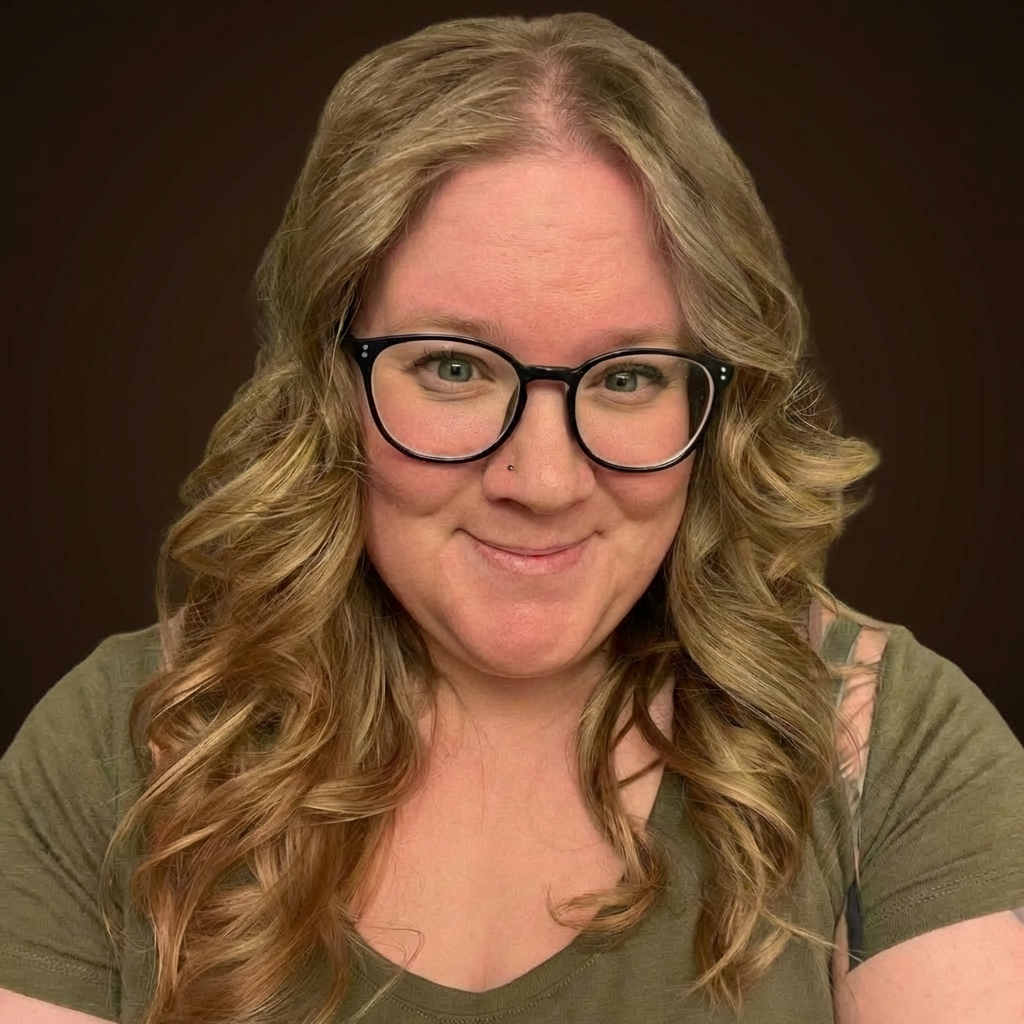
Ashley Sabados
Registered Psychologist
Learn MoreFlexible & Accessible
Counselling Options
We fit our depression counselling in Calgary around your life, in person or online.
Sessions start from $240 CAD per session
Direct billing to 30+ insurance providers
In-person sessions available in Calgary
Virtual depression therapy offered across Canada
Let’s find a time
and format that works best for you.
FAQ
Depression therapy at CPC Clinics starts from $240 CAD per session. The Psychologists’ Association of Alberta recommends $235 per hour, effective January 2025. That rate holds with no increase for 2026. Registered psychologists in Alberta set their own rates, so Calgary fees vary. Extended health plans with psychology benefits cover part of that cost, and CPC Clinics offers direct billing to 30+ insurance providers.
Yes, in part, when your extended health plan includes psychology benefits. Alberta Health Care does not cover sessions with psychologists in private practice. Extended health plans reimburse by practitioner designation, including Registered Psychologist and Registered Social Worker. Annual maximums vary widely between plans, so confirm yours before booking. CPC Clinics offers direct billing to 30+ insurance providers, and our intake coordinator can check your coverage before your first session.
CBT, interpersonal therapy, and behavioural activation are the first-line psychological treatments in Canada’s CANMAT guidelines. All three have strong trial evidence. Fit matters too. Flückiger and colleagues tied a stronger client-therapist alliance to better outcomes across 295 studies in 2018. We match the approach to what drives your depression. Seasonal affective disorder light therapy suits a winter pattern. EMDR for depression suits low mood tied to a specific loss or trauma.
Yes, for many people, especially with mild to moderate depression. CANMAT guidelines rank major depressive disorder treatments by severity. Psychological treatment on its own is a first-line option for mild to moderate depression. Severe depression responds best to therapy combined with medication. Cuijpers and colleagues found in 2023 that combined treatment outperformed medication alone in the short and long term. Any medication decision stays between you and your physician.
Half of therapy clients improve measurably by session 8, and a full course of depression therapy runs 12 to 20 sessions. Howard and colleagues found this across 2,431 therapy clients in 1986, with three in four improved by session 26. Sessions start weekly, then taper to every two weeks as you improve. We review progress with you using the PHQ-9 every few sessions.
Sadness passes within days, while depression lasts at least 2 weeks and disrupts daily life. Clinicians diagnose major depression when 5 or more symptoms appear most days for 2 weeks or longer, including low mood or lost interest. Others include changes in sleep or appetite, fatigue, poor focus, and feelings of worthlessness. Low mood lasting 2 years or more points to persistent depressive disorder, also called dysthymia. Dysthymia treatment uses the same therapies over a longer course.
See a psychologist for therapy, and a psychiatrist if you need a medication assessment. Psychiatrists are medical doctors who diagnose and prescribe. In Alberta, psychiatrist visits are covered by Alberta Health Care and need a physician referral. Psychologists provide assessment and talk therapy, need no referral, and are paid privately or through extended health benefits. You can see both at once. We coordinate with your family doctor or psychiatrist, with your consent.
Yes, therapy works regardless of what caused your depression. Sullivan and colleagues estimated in 2000 that genes account for 37 percent of the risk for major depression. Individual experiences, including stress and life events, account for the rest. Therapy works on the thought patterns, habits, and circumstances you can change. Combining therapy with medication also outperformed medication alone in Cuijpers’ 2023 analysis of 409 trials.
Your first session covers what brought you in, how you’ve been feeling, and what you want to change. Your therapist asks about mood, sleep, energy, and history, and you complete the PHQ-9. You don’t need the right words. Short answers are fine, and pauses are fine too. Your therapist asks about safety, including thoughts of suicide. Dazzi and colleagues reviewed 13 studies in 2014 and found asking does not increase suicidal thoughts. You leave with a plan for the next few sessions.
Yes, video therapy works as well as in-person therapy for depression. Giovanetti and colleagues found no meaningful difference between the two formats in their 2022 meta-analysis of randomised trials (g = 0.04). Dropout rates were similar too. Online sessions help on days when leaving home feels impossible. We offer depression therapy online across Canada, depending on clinician registration in your province.
You still have options, including a different therapy approach, combined depression treatment, or rTMS. Canada’s CANMAT guidelines list rTMS as a first-line option for adults whose depression hasn’t responded to at least one antidepressant. rTMS uses magnetic pulses to stimulate mood-related areas of the brain, without medication or anaesthesia. CPC Clinics offers rTMS at our Calgary clinic, so your history stays with one team. Your clinician talks you through whether it fits.
No referral is required. You can contact our intake coordinator directly to book a free consultation. They reply by call, email, or text within 24 to 36 hours, and your first appointment is booked within 24 to 48 hours. Check your plan’s rules, since a few extended health plans ask for a physician’s note before they reimburse.
Why You Need Depression Therapy
Depression is widespread, it returns for at least half of people who recover, and it affects far more than mood. Here are 6 reasons to start depression treatment now instead of waiting.
Depression Is Rising in Canada
Major depressive episodes affected 7.6 percent of Canadians aged 15 and older in 2022, according to Statistics Canada’s Mental Health and Access to Care Survey. The rate was 4.7 percent in 2012. Generalized anxiety disorder doubled over the same decade, reaching 5.2 percent. You are far from the only person in Calgary dealing with this, and depression responds well to treatment.
Half Go Without Professional Help
Only 48.8 percent of Canadians who met criteria for a mood, anxiety, or substance use disorder in 2022 had talked to a health professional about their mental health in the past year. That figure comes from the same Statistics Canada survey. The other half carried it without professional support. Untreated depression spreads into sleep, work, and relationships. At CPC Clinics, first appointments are booked within 24 to 48 hours, with no referral needed, so you can start sooner.
Depression Episodes Come Back
After two episodes of depression, the chance of a third rises to 80 percent, Burcusa and Iacono reported in their 2007 review. Their review places the highest-risk window in the first 5 years after the first episode. Waiting for depression to lift on its own leaves that pattern untouched. Therapy teaches you to spot early warning signs before a full episode sets in. Approaches like MBCT are designed specifically to lower the risk of recurrence.
Suicide Risk Needs Real Support
4,500 people in Canada die by suicide each year, which equals 12 every day, according to the Public Health Agency of Canada. More than 200 people attempt suicide daily. Persistent hopelessness is one of the warning signs clinicians watch for in depression. Therapy includes a safety plan listing your triggers, coping steps, and people to call. Call or text 988, the Suicide Crisis Helpline, any time, if you are thinking about suicide.
Work and Income Suffer
Half a million Canadians miss work each week because of a mental health issue, according to the Mental Health Commission of Canada. The Commission puts the cost to the Canadian economy at $50 billion a year. For one person, depression shows up as slower thinking, missed deadlines, and sick days that add up. Treating depression early protects your focus, your income, and the energy you bring home at the end of the day.
Therapy Outperforms Waiting It Out
Therapy more than doubles the response rate compared with waiting. Cuijpers and colleagues pooled 228 trials with 23,574 participants in 2021. Two months in, 41 percent of people in therapy had responded, against 16 percent on waitlists. One third reached remission, compared with 7 to 13 percent in control groups. Some depression lifts without treatment, but the odds are far better with support.
How Depression Therapy Can Improve Your Everyday Life
Depression therapy targets symptoms, and the effects reach the rest of your week. Research tracks these 6 everyday changes as treatment takes hold.
Better, Steadier Sleep
Sleep problems are one of the diagnostic criteria for depression. Some people lie awake at 3 a.m., and others sleep 12 hours and still wake exhausted. Therapy treats sleep directly, using techniques from CBT for insomnia. Scott and colleagues pooled 65 trials with 8,608 participants in 2021. Improving sleep reduced depression with a medium effect (g = 0.63). Energy, focus, and patience all depend on rest, so better nights make the days easier.
Energy and Motivation Return
Depression drains energy, and low energy keeps you inactive, which deepens the low mood. Behavioural activation breaks that loop by scheduling small, meaningful activities before motivation shows up. In the 2016 COBRA trial of 440 adults, two-thirds of people receiving behavioural activation saw their depression symptoms drop by at least half after a year. Chores, hobbies, and plans with friends gradually stop feeling impossible.
Closer, Calmer Relationships
Depression pulls people away from partners, friends, and family, and the distance feeds the depression. Interpersonal therapy works on this directly, through conflict, grief, and isolation. As mood lifts, you have more patience and more interest in the people around you. Kamenov and colleagues reviewed 153 trials with 29,879 participants in 2017. Therapy improved day-to-day functioning and quality of life alongside mood.
Clearer Focus at Work
Depression slows thinking, making it harder to concentrate, decide, and remember. At work or school, that shows up as missed details and unfinished tasks. Therapy restores focus by reducing rumination, the repetitive negative thinking that takes up attention. MBCT and CBT both train you to notice a spiral and return to the task in front of you. As symptoms ease, output and confidence at work recover.
A Kinder Inner Voice
Depression makes your inner voice harsh: I’m a failure, I’m a burden, nothing will change. CBT teaches you to question those verdicts with evidence instead of accepting them as facts. ACT adds a second skill, noticing a thought as a thought and letting it pass. With practice, self-criticism gets quieter, and you start treating yourself with the patience you would offer a close friend.
Skills That Last After Therapy
The skills you learn in depression therapy keep working after sessions end. Hollon and colleagues followed people who had responded to treatment for moderate to severe depression in 2005. Within a year, 30.8 percent of those treated with cognitive therapy relapsed, compared with 76.2 percent of those taken off antidepressants. Your relapse prevention plan keeps those skills close at hand, long after your final session.
Why Calgarians Choose CPC Clinics for Depression Therapy
People find this page by searching depression therapy Calgary, through a referral from their doctor, or by comparing a dozen websites for a depression therapist in Calgary. Either way, the choice comes down to fit. Here is what our clients point to:
- Upfront pricing, starting from $240 CAD, with no fees page to hunt through
- Direct billing to 30+ insurance providers, arranged before your first session
- First appointments booked within 24 to 48 hours
- Monday–Friday: 8 a.m.–8 p.m.; Saturday: 8 a.m.–5 p.m.; Sunday: 8 a.m.–4 p.m.
- Six evidence-based depression therapy approaches, plus rTMS under the same roof
- Sessions in English, Bengali, Hindi, Urdu, Spanish, French, and Polish
- Depression counselling for teens and adults, in person in Calgary or online across Canada
- No referral needed, with a free consultation before you commit
Depression counselling and depression therapy both start the same way with us. This is where Calgarians start that conversation.
Ready to Get
Your Days Back?
Booking takes a few minutes. Your free consultation covers what you're dealing with and which approach fits. For urgent support, call or text 988, or reach Calgary's Distress Centre at 403-266-4357, both open 24/7. Call 911 if you are in immediate danger.
Contact
If you are in crisis, please call 811 or go to your nearest emergency department.
Visit us
5940 Macleod Trl SW Ste 500,Calgary, AB T2H 2G4