
rTMS Brain Stimulation
A non-invasive treatment that uses focused magnetic pulses to support mood, focus, sleep, and nervous system regulation.
Brain Stimulation
Treatment (rTMS)
in Calgary
Depression and burnout don’t always respond to medication and therapy alone. Sometimes the brain networks involved in mood and focus have gone quiet, and no amount of willpower switches them back on.
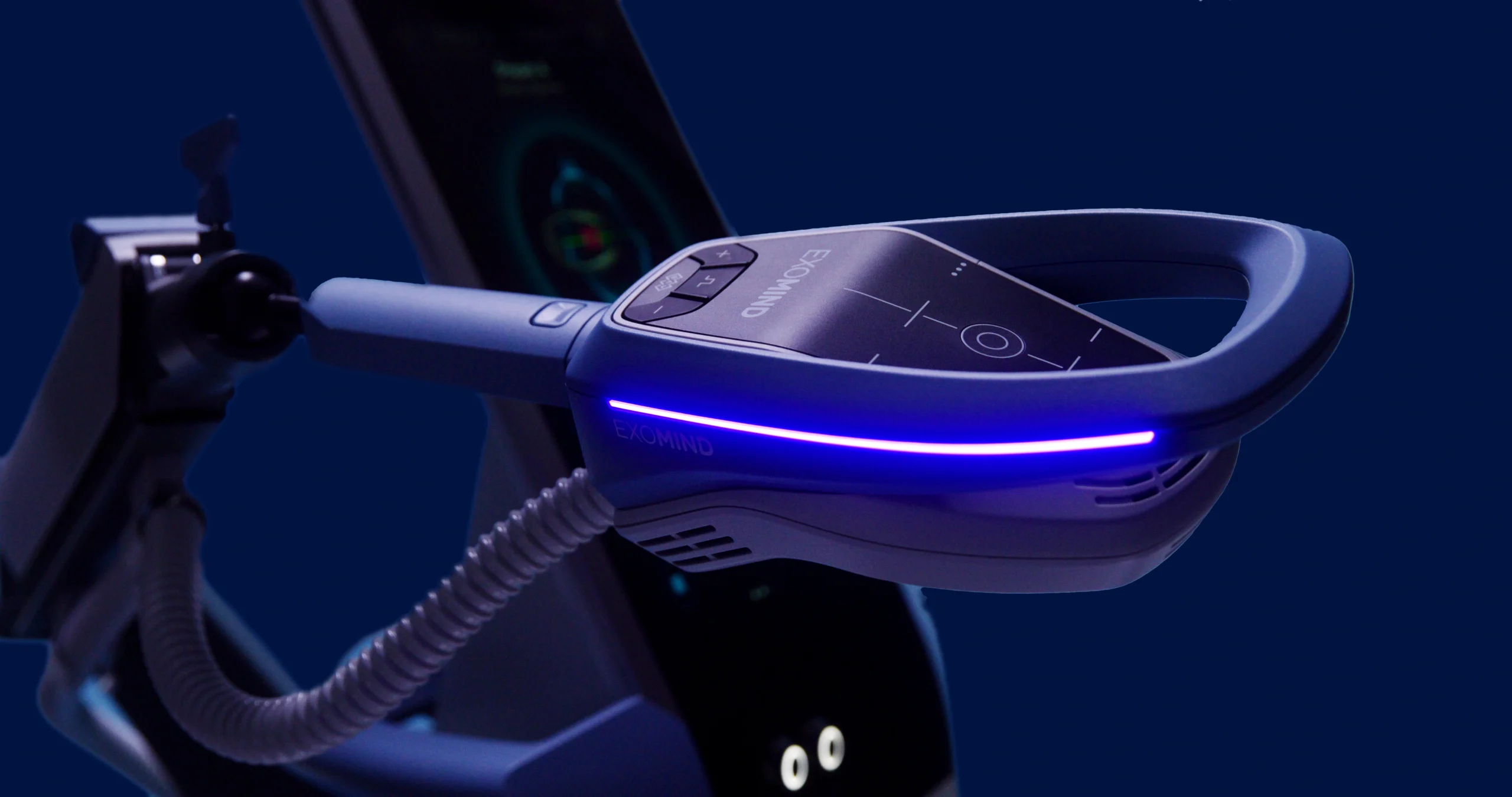
At CPC Clinics, we offer EXOMIND™, a modern form of repetitive Transcranial Magnetic Stimulation (rTMS), that gently stimulates key brain regions involved in mood, focus, and emotional regulation, without medication or anesthesia. Most sessions take under 30 minutes, and you’re back to your day right after.
Issues rTMS can treat effectively and deliver meaningful results
Why Choose CPC
Why Calgarians Choose
CPC Clinics for rTMS
People searching for “something beyond another pill” are usually looking for three things: a treatment backed by real evidence, a team they trust, and care that works around the life they already have. CPC Clinics was built around that overlap.
Local and Integrated
Psychological assessment, counselling, therapy, and rTMS all come from one Calgary‑based clinical team, not a rotating cast of contractors.

Performance-Informed
Executives, pilots, athletes, and first responders make up a large share of our rTMS caseload, which is why Executive Reset and Competitive Edge exist as dedicated programs for that group.

Evidence-Based and Structured
Every protocol still follows Health Canada and FDA guidance, with defined goals and documented review throughout.

Accessible across Calgary and Southern Alberta
Close to downtown, the Beltline, and Mission, with clients also traveling in from Airdrie, Okotoks, and Cochrane.
Underactive neural circuits
Stimulated, reconnected networks
The Science
What Is rTMS?
Repetitive Transcranial Magnetic Stimulation, or rTMS, uses a coil against your scalp to send focused magnetic pulses into brain regions. At CPC Clinics, we use EXOMIND™ to target your left dorsolateral prefrontal cortex, the area behind mood regulation, decision-making, and sustained attention.
In depression and chronic burnout, this region tends to be underactive. We use EXOMIND™ to help raise brain-derived neurotrophic factor (BDNF), the protein your neurons need to build new connections, so your mood steadies and your thinking clears.
Rather than sedating or numbing you, rTMS restores signal to circuits that had gone quiet.
See It In Action
What Happens During
an rTMS Session?
A clinician positions the EXOMIND™ coil against your scalp. You’ll feel rhythmic tapping, closer to a percussive sensation than pain. You can read, listen to music, or just sit with it.
- No sedation, no recovery time, no driver needed
- Read, listen to music, or simply rest during the session
- Walk in before work, walk out ready for your day
- Clinician present throughout the entire session
Who We Help
Who rTMS Is For
in Calgary
Most people arrive here after trying at least one antidepressant, sometimes several, with results that didn’t hold. See if you recognize yourself in one of the patterns below.
High-Pressure Professionals
Executives, founders, pilots, and physicians who function fine on the outside while running on empty internally: brain fog, flatness, and motivation that used to be automatic and now has to be forced.
Executive Reset was built for exactly this group.
None of this means something is broken in you.
Depression and burnout usually trace back to disrupted neural connectivity, which is precisely the mechanism rTMS addresses.
Treatment Process
How rTMS Works
at CPC Clinics
A clear, step-by-step process designed around your life and goals—not just your diagnosis.
Consultation and Screening
A Calgary-based clinician reviews your full clinical picture before treatment starts.
- Reviews your mood and symptom history
- Notes medications and treatments you’ve already tried
- Talks through your goals for work, family, or performance
In-Clinic Sessions
Each visit follows the same simple structure.
- Positions the EXOMIND™ coil against your scalp and delivers focused pulses
- Runs about 6 sessions over 3 weeks for a typical course
- Adjusts your schedule based on how you respond
Structured Monitoring
Your clinician stays involved for the full course of treatment.
- Tracks your mood, energy, and cognitive performance
- Coordinates with your family physician or psychiatrist when relevant
- Offers maintenance sessions if you’re responding well and want to sustain the gains
Patient Stories
Real Experiences, Real Results
In Their Own Words
Hear directly from people who chose rTMS at CPC Clinics when other approaches had stopped working. Their words are unscripted.
Common Questions
Frequently Asked Questions
About rTMS in Calgary
Take the Next Step
If you’re exploring brain stimulation treatment in Calgary because medication and talk therapy alone haven’t closed the gap, EXOMIND™ rTMS at CPC Clinics is built around exactly that situation.
Whether you’re an executive, an athlete, a front-line worker, or a parent trying to feel like yourself again, the goal is the same: get your brain functioning the way it’s meant to.